
Last updated October 31, 2026
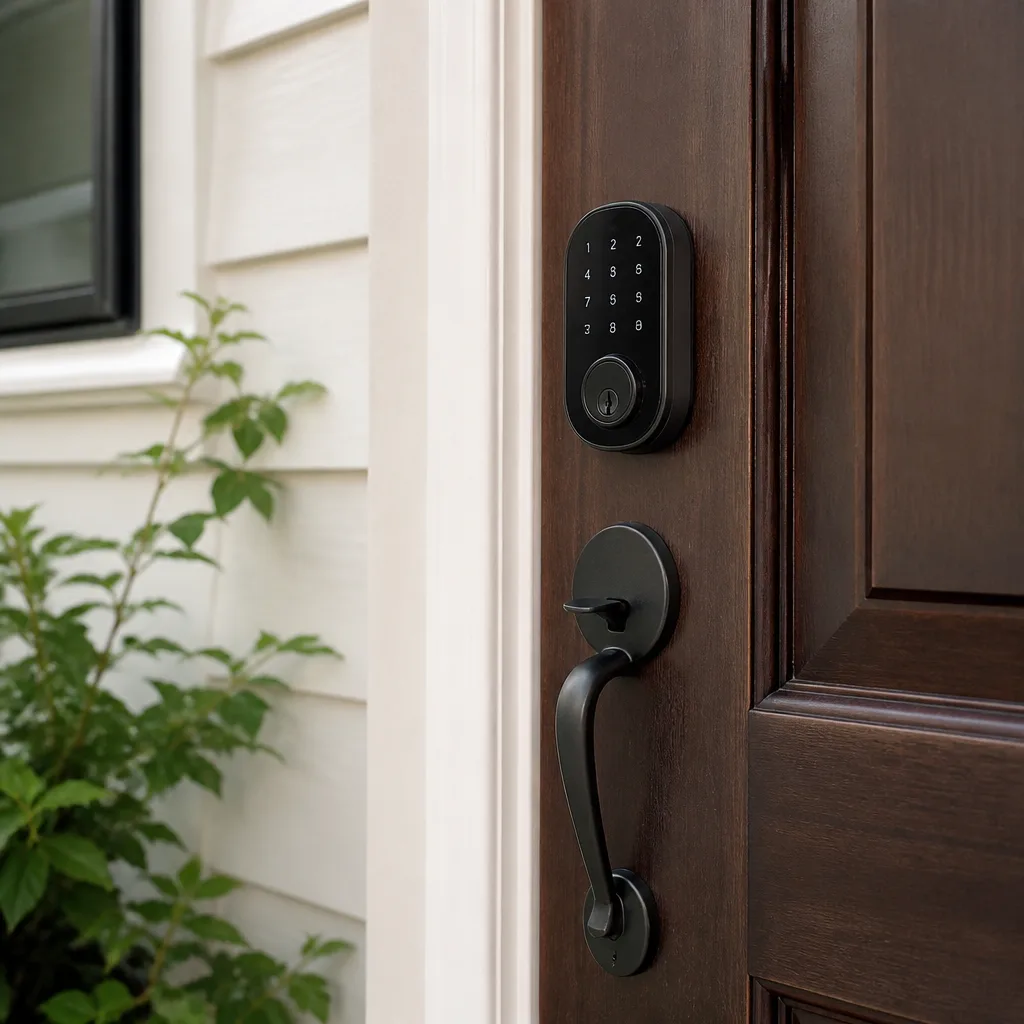 Smart locks
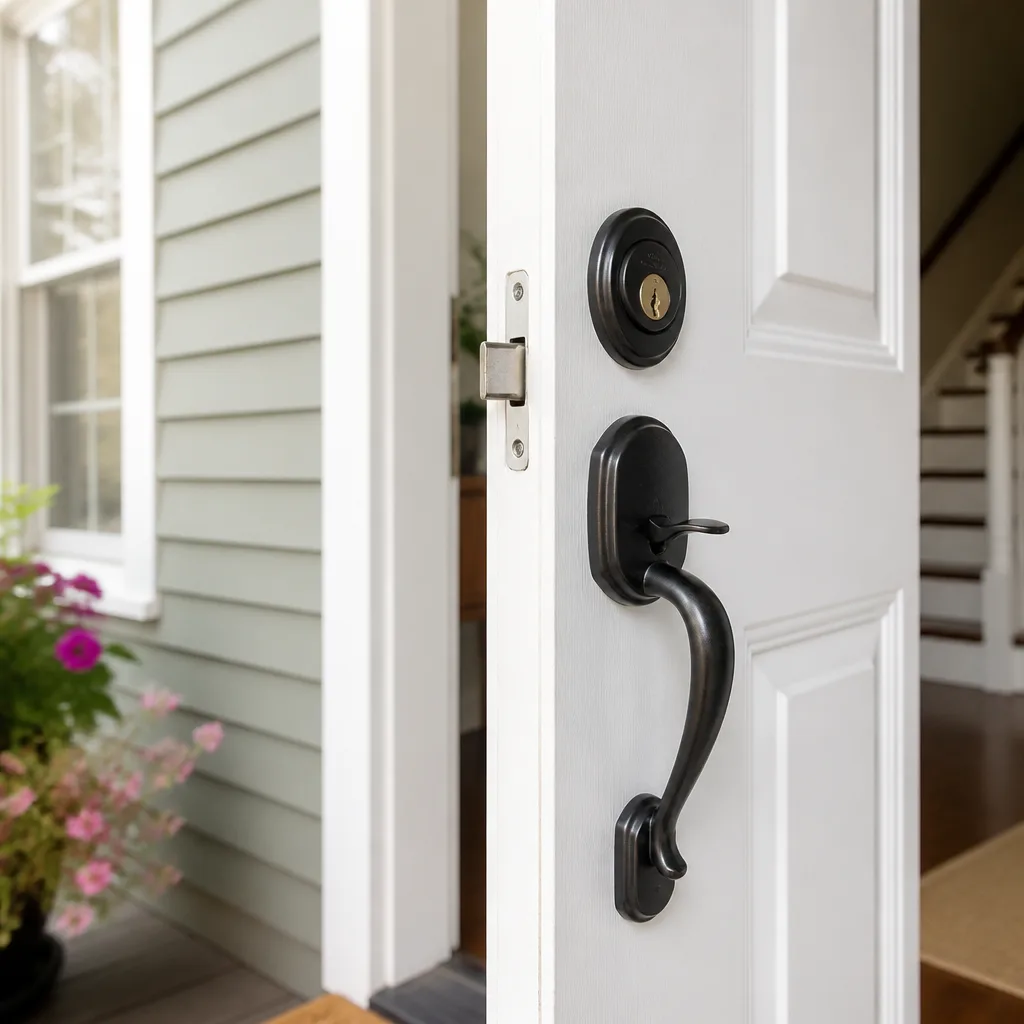 House lockouts
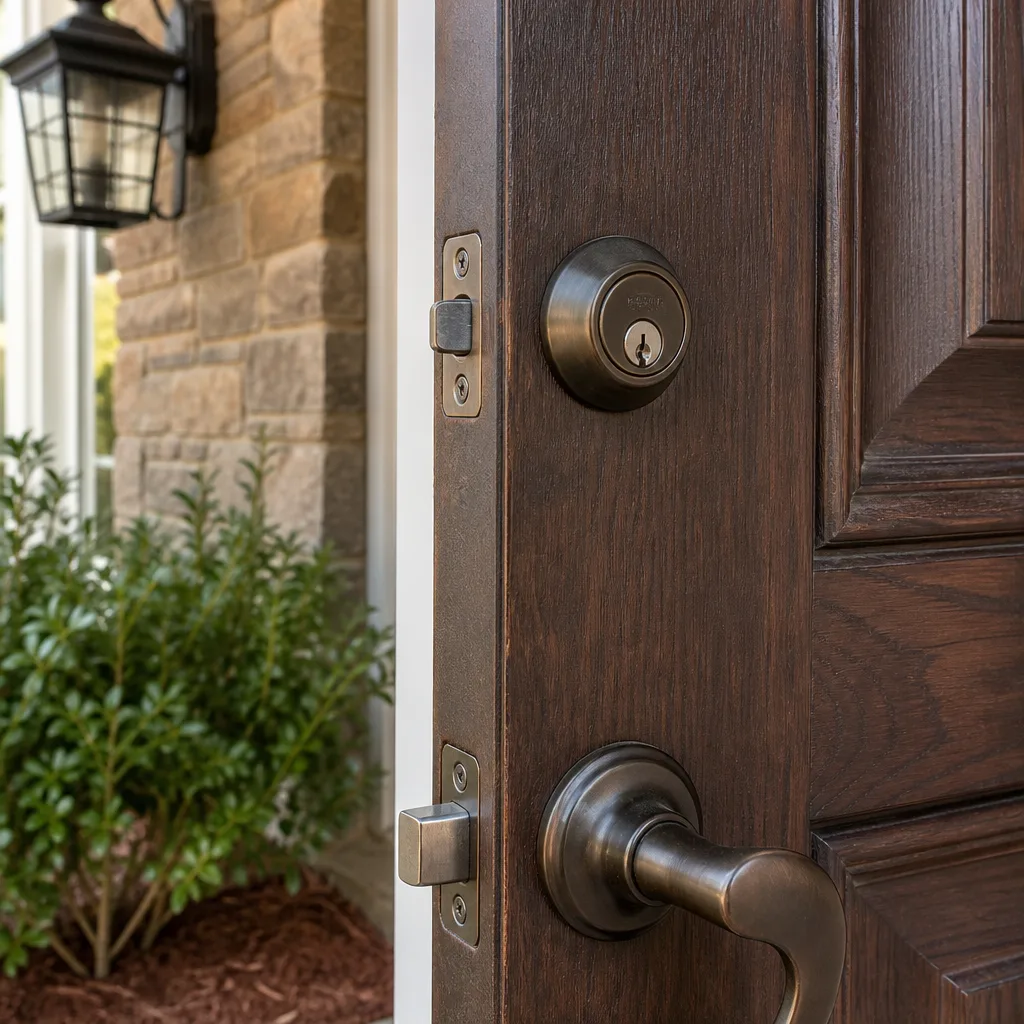 Re-keying
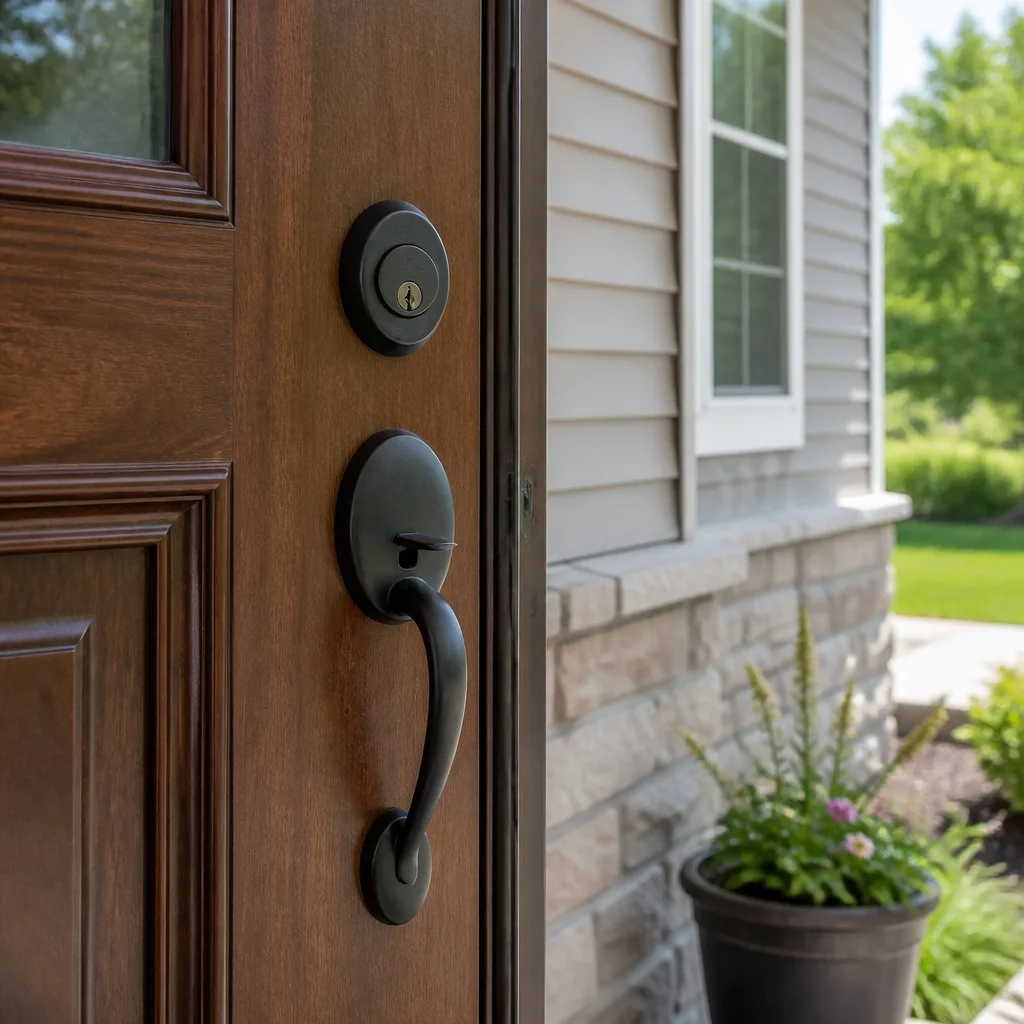 Deadbolt upgrades
 Schlage
 Kwikset
 Car keys & fobs
Non-destructive entry first, always - and we re-key Schlage, Kwikset, and Baldwin locks on the spot while you watch
You get a price before we start. It does not change when we arrive. No surprises.
Get your free estimateSeasonal Locksmith Care for Gresham: Year-Round Homeowner’s Guide
The deadbolt that sticks every January in Gresham isn’t failing because of the cold. It’s failing because the door frame swelled with fall moisture, and the bolt is now binding against a misaligned strike plate. That’s a zero-dollar fix if caught in October. It’s a lockout at 10pm if ignored. This guide walks you through the seasonal maintenance schedule that keeps cylinders smooth, deadbolts aligned, and weather seals intact in Gresham’s specific climate, so you’re not learning about lock failure the hard way.
Styles & brands we work with
Quick Answer
Seasonal locksmith care in Gresham means lubricating lock cylinders with graphite or Teflon in the fall, checking deadbolt alignment before the wet season, de-icing exterior locks safely through freeze-thaw cycles, and inspecting keyway wear each spring. A 15-minute audit twice a year prevents most lockouts, stuck keys, and premature cylinder failure. Most Gresham homeowners need professional attention once every three to five years unless they have high-security hardware, which stretches that interval considerably.
Table of Contents
- Fall Preparation: The Most Important Season for Gresham Locks
- Winter: Freeze-Thaw Cycles and What They Do to Your Hardware
- Spring: The Post-Winter Inspection Checklist
- Summer: UV Exposure and Pin Spring Fatigue
- How to Build a 15-Minute Annual Lock Audit
- The Right Way to Lubricate: Graphite, Teflon, and What Never to Use
- Why High-Security Hardware Changes the Maintenance Equation
- Common Mistakes to Avoid
- When to Call a Professional
- Frequently Asked Questions
- The Bottom Line
Fall Preparation: The Most Important Season for Gresham Locks
October is the month that decides whether your locks survive winter or fail spectacularly. Gresham’s rainy season typically kicks in by late October, and with it comes the slow swelling of wooden door frames throughout the city’s older neighborhoods, from the postwar ranch homes near downtown to the newer construction east of Powell Valley. That swelling pushes strike plates out of alignment by as little as a sixteenth of an inch. It doesn’t sound like much, but a deadbolt with a full one-inch throw needs clean, unobstructed entry into the strike opening. When the frame swells, that bolt catches, scrapes, and eventually binds.
Here’s the fall checklist we run on every Gresham home:
- Check deadbolt throw alignment. Lock the deadbolt and watch the bolt as it extends. If it scrapes the edge of the strike plate opening, the frame has already started moving. Mark the strike plate with a pencil to confirm where contact happens.
- Lubricate the cylinder on every exterior door. Use powdered graphite or a Teflon-based dry lubricant. A two-second puff into the keyway, followed by inserting and removing the key five or six times, redistributes the lubricant across the pins. Wet lubricants trap grit, which is exactly what you don’t want before Gresham’s rainy months.
- Test all your keys. If a key requires jiggling or lifting at any point, that’s a warning sign the cylinder is wearing unevenly. You may still have time to schedule a rekey before the problem turns into a broken key inside the lock.
- Inspect weather stripping and door sweeps. The more water that reaches the lock housing, the more corrosion you’ll fight. Good seals keep the moisture away from the cylinder entirely.
- Secure any padlocks used outdoors. Shed locks, gate locks, and storage unit locks face the full brunt of Gresham rain. Check the shackle for rust and the keyway for debris. If you’re using a basic padlock, fall is when you should consider upgrading to a weather-resistant model.
The key insight here: fall lock maintenance in Gresham is not about fixing what’s broken. It’s about catching the first stage of frame movement before the rain has three months to compound it. We’ve seen homeowners in the Hollybrook and Gresham Butte areas save themselves hundreds of dollars by catching strike plate misalignment in October instead of buying a new lock cylinder in February.
We work on hardware most Gresham locksmiths don’t touch. From Kwikset and Schlage entry hardware to Medeco high-security cylinders, our rekey and maintenance work covers the full spectrum. From your front door to your car door, one call handles it. Visit the Commodore Locksmith home page to see the scope of what we service.
Winter: Freeze-Thaw Cycles and What They Do to Your Hardware
Gresham gets cold enough to freeze, but rarely stays cold enough to stay frozen. That’s the worst combination for exterior locks. The freeze-thaw cycle creates condensation inside lock housings, which becomes ice, which expands, then melts and refreezes. Each cycle pushes moisture deeper into the cylinder. Brake the cycle early, and the lock survives. Ignore it, and you’ll be standing in the cold with a key that refuses to turn.
The locks most vulnerable in Gresham winters:
- Exterior padlocks on sheds, fences, and gates. These are fully exposed to rain, snow, and sleet. The shackle and keyway collect moisture directly. A padlock that turns stiff in January is almost certainly holding trapped water inside the cylinder.
- Garage door locks and T-handle locks. Mounted near ground level, they catch splash-back and road spray. Condensation inside the housing is common when temperatures hover around freezing.
- Sliding glass door locks. The track collects water, and the lock mechanism sits at the bottom of the door. When water pools in the track overnight and freezes, the latch can become frozen solid by morning.
For prevention, you want a de-icer designed for locks, not for car windshields. Use a lock-specific de-icer with a graphite base. Spray it directly into the keyway, wait 30 seconds, and gently work the key. Avoid heat guns and torches entirely; the thermal shock can crack cylinder housing or warp internal pins. Avoid pouring hot water into a frozen lock, too. It melts the ice temporarily, then refreezes deeper in the lock, making the problem worse.
For padlocks specifically, consider a rubber or plastic keyway cover during the winter months. It’s a small investment that keeps the worst of the moisture out. If you’re running commercial padlocks on a Gresham business property, a shrouded shackle design also resists bolt-cutter attacks, which peak in winter when fewer people are out watching.
And a relevant note for drivers: cold snaps are also when car door locks and ignitions fail. If your key is already worn, the cold makes the metal contract slightly, making the fit even tighter. Our Car Key Replacement in Gresham service handles worn keys before they snap off in a frozen ignition. A new key cut from your VIN or existing key code is a lot cheaper than extracting a broken key from a frozen lock cylinder.
Spring: The Post-Winter Inspection Checklist
By March, winter has done whatever damage it’s going to do, and it’s now visible if you know where to look. The spring inspection is about catching wear before it becomes failure. In our experience in Gresham, the locks that fail in May are the ones that were already compromised in February and simply hadn’t been caught yet.
Here’s the items to work through, in order of importance:
- Test every key in every lock. Insert the key slowly and note any resistance before the key is fully seated. Withdraw it slowly and feel for any catching. A key that’s wearing down will start shaving the pins inside the cylinder. You’ll feel a gritty or scraping sensation.
- Inspect the key itself. Hold it up to the light. If the cuts look rounded or shiny on the edges, the key is worn. A worn key is doing damage to the cylinder every time it’s used. Replacing the key is cheap; replacing the cylinder is not.
- Tighten screws in strike plates and hinges. Freeze-thaw cycles work screws loose. A strike plate with loose screws lets the deadbolt travel slightly out of line, which increases friction and wear. It’s a two-minute fix with a screwdriver.
- Check exterior lock cylinders for rust or discoloration. Surface rust is cosmetic, but rust around the keyway or the tailpiece connection is structural. If you see rust blooms near the keyway, the cylinder is at risk of internal corrosion.
- Test deadbolt rotation. Lock and unlock each deadbolt five times in a row. Listen for grinding, clicking, or uneven resistance. A smooth rotation with no sound is what you want. Anything else means wear inside the cylinder or misalignment of the bolt with the strike.
- Check weather stripping again. After a full winter of rain and freeze, weather seals break down quickly. If the seal around your entry door is cracked or compressed, moisture is reaching the door and the lock hardware.
If your spring inspection turns up a worn cylinder or a broken key, a Rekey Locks in Gresham service call can reset the lock without replacing the hardware. Rekeying moves the pins to match a new key, making it the fastest, most cost-effective way to restore smooth operation and reset security at the same time.
Summer: UV Exposure and Pin Spring Fatigue
Summer is the season most Gresham homeowners ignore their locks completely, and that’s precisely when slow deterioration happens. Gresham’s dry summers, with daytime highs in the 80s and 90s, create a different set of problems than the wet season. The heat accelerates two specific wear patterns: UV degradation of exterior finishes and keypads, and pin spring fatigue inside standard cylinders.
Here’s how each works.
UV degradation on keypad and electronic locks. Direct sun exposure breaks down the polymer components in keypads, faceplates, and weather covers. The plastic becomes brittle, and the numbers fade. You’ll see this most clearly on south-facing entry doors, which absorb the most sun. A keypad that still works but looks faded isn’t just a cosmetic issue; the degraded plastic is more vulnerable to moisture intrusion, which means it’s more likely to fail when the rain returns. If your keypad lock is more than five years old and faces south, check the casing for hairline cracks. Those cracks are entry points for October rain.
Pin spring fatigue in standard cylinders. Every time you insert and remove a key, the pins inside the cylinder compress against the springs and release. In high-heat months, metal components expand slightly, which increases friction and makes the springs work harder. Over time, springs lose tension. A cylinder that’s been in service for seven or eight years, especially on a door that gets heavy daily use, may simply stop returning pins to their neutral position. You’ll notice it as a key that works sometimes and sticks other times, or a key that must be jiggled to operate.
If you’re running standard consumer hardware like Kwikset or Schlage, plan on a professional cylinder service roughly every five to seven years, more often if the door is used constantly. If you’ve upgraded to high-security hardware like Medeco, Mul-T-Lock, or Abloy, that interval extends significantly because these cylinders are machined to tighter tolerances and use hardened steel pins that resist both wear and picking.
How to Build a 15-Minute Annual Lock Audit
The single most effective thing a Gresham homeowner can do is run a structured lock audit twice a year: once in October before the rains start, and once in April after the last freeze. Fifteen minutes, no special tools beyond a flashlight and a small screwdriver, and you’ll catch 80 percent of preventable lock failures before they happen.
Here’s the complete audit, start to finish:
- Gather every key you use. Include front door, back door, garage, shed, gate, mailbox, and vehicle. Label them or lay them out on a table so you know which is which.
- Test each key in its lock. Insert slowly. Turn slowly. Withdraw slowly. Feel for resistance, grittiness, or catching. If a key hangs up at any point, put it aside for closer inspection.
- Check each deadbolt’s alignment. Lock the bolt and watch the bolt travel into the strike plate. If it contacts the edge of the strike opening, that’s misalignment. Loosen the strike screws, reposition slightly, retighten.
- Inspect each key for wear. Rounded edges, shiny spots, or thinning metal are signs the key is nearing failure. Replace worn keys now, before they break inside the lock.
- Lubricate every exterior cylinder. Graphite powder or Teflon dry lubricant into the keyway, then work the key in and out several times.
- Check all visible screws. Strike plates, hinge plates, and door handle screws all vibrate loose over time. Tighten anything that’s loose.
- Test the overall feel. A properly functioning lock should rotate smoothly and silently. Any grinding, clicking, or uneven resistance means internal wear that needs professional attention.
If you do this twice a year and record what you find, you’ll spot patterns that predict failure. A strike plate that needs realigning every spring, for example, tells you the door frame is moving seasonally and may need a deeper fix. A cylinder that starts feeling gritty despite lubrication is headed for replacement.
When the audit turns up a cylinder that needs more than lubrication, or you’ve lost a key and want to reset security without buying new hardware, call our team. A rekey is not a replacement; it’s a smarter, faster security reset. See Rekey Locks in Gresham for details.
The Right Way to Lubricate: Graphite, Teflon, and What Never to Use
Most lock failures that look like mechanical wear are actually lubrication problems. And most lubrication problems come from using the wrong product. The single most common mistake we see across Gresham homes is someone spraying WD-40 into a lock cylinder. That’s not a lubricant for locks; it’s a moisture displacer. It works temporarily, then dries into a gummy residue that attracts dust and grit. Within weeks, the lock is worse than it was before.
What actually works:
- Powdered graphite. The classic dry lubricant for pin-tumbler cylinders. It coats the pins and springs without attracting debris. It’s ideal for standard cylinders and remains the default recommendation for most residential locks.
- Teflon-based dry lubricant. Similar to graphite but cleaner to apply and often preferred in colder climates because it doesn’t clump. It’s also better for locks that are exposed to moisture, since Teflon resists water wash-out more effectively than graphite.
- Silicone-based lubricant, applied sparingly. Useful for lubricating latch assemblies and exterior moving parts, but not the first choice inside the keyway.
What never to use:
- WD-40 or any penetrating oil. As noted, it leaves a sticky film that binds with dust and eventually gums the cylinder shut.
- Cooking oil, olive oil, or any food-grade oil. These go rancid and polymerize into a gummy residue. They’re worse than nothing.
- Motor oil or thick grease. Too viscous for fine pin-tumbler mechanisms. It slows the pins and creates drag, which feels like mechanical wear.
- Graphite spray in wet conditions. Liquid graphite suspended in solvent works, but if you apply it when the lock is already wet, it can clump inside the cylinder. Use dry powder or dry Teflon.
Application method matters. Squirt or puff a small amount into the keyway, then insert the key and work it in and out several times. Wipe the key clean afterward. The goal is a thin, even coating on the pins and springs, not a flood of lubricant. Over-lubricating is just as harmful as under-lubricating, because excess lubricant holds dust and debris.
Why High-Security Hardware Changes the Maintenance Equation
Standard residential cylinders from Kwikset and Schlage are built for affordability, not longevity under extreme conditions. They’re fine locks; millions of them protect Gresham homes right now. But their pins and springs are standard brass, their tolerances are production-grade, and their lifespan under daily use is finite. If you want a lock that genuinely requires less maintenance and resists both wear and attack, high-security hardware is the answer.
High-security brands like Medeco, Mul-T-Lock, and Abloy are engineered differently. Medeco cylinders use hardened steel pins and sidebars that resist picking, drilling, and force. Mul-T-Lock uses a telescopic pin design that’s extraordinarily durable. Abloy cylinders are disc-detainer, which means no springs at all in the core; the mechanism rotates on precision discs. They’re among the most pick- and drill-resistant lock systems commercially available. For a homeowner who’s tired of replacing worn cylinders every five years, upgrading to high-security hardware eliminates that cycle almost entirely.
This is where Commodore Locksmith positions differently than most Gresham locksmiths. We’re certified to work on eight distinct lock brands spanning consumer to military-grade: Schlage, Kwikset, Medeco, Yale, Baldwin, Mul-T-Lock, Sargent, and Abloy. Most local shops top out at basic residential hardware. We don’t. The locksmith that knows Medeco isn’t a marketing line; it’s literally the service we offer. High-security brands, handled right.
If you’re in the market for a security upgrade, or you’ve inherited high-security hardware and need it serviced correctly, the Commodore Locksmith home page has the full scope of what we handle. Locked out or leveling up your security, it’s the same phone call.
Common Mistakes to Avoid
- Using WD-40 on lock cylinders. It displaces moisture but leaves a sticky residue that binds with dust and grit. Within a month, the cylinder is gummier than before. Use dry graphite or Teflon.
- Ignoring a sticky key until it breaks. A key that catches or jiggles is telling you something. If you keep forcing it, the key will eventually break inside the cylinder, at which point the repair is significantly more expensive. Replace or rekey before that happens.
- Rekeying a lock without addressing alignment. If the strike plate is misaligned, a new key and new pins won’t fix the binding. The cylinder might be fine; the frame is the problem. Check alignment before you rekey.
- Waiting until winter to think about frozen locks. By the time the lock is frozen, prevention is over. The fall window is when you prepare. If you miss it, you’ll be dealing with the consequences during Gresham’s coldest nights.
- Using the same worn key for years without replacement. A worn key damages the cylinder every time you use it. Replacing the key is a $5 fix. Replacing the cylinder is a $150 fix. Do the math.
- Neglecting padlocks entirely. Shed and gate locks are out of sight, so they’re out of mind. They also take the brunt of Gresham’s winter weather. Check them every fall and spring, and replace any that show rust on the shackle or stiffness in the keyway.
- DIY drilling out a lock that’s stuck. Drilling destroys the cylinder and often the housing too. A professional can usually extract a stuck key or pick a stuck cylinder without destroying the hardware. Drilling turns a $30 service call into a $200 replacement.
When to Call a Professional
Some lock issues genuinely need an experienced hand. Call a locksmith if a key has broken inside a cylinder and you can’t extract it with pliers, if a cylinder is grinding or seizing despite proper lubrication, if you’ve lost keys and need to reset security across multiple doors, or if you want high-security hardware installed correctly. In any of these situations, attempting a DIY fix often makes the problem worse and more expensive. Emergency Locksmith in Gresham service is available when the lockout happens outside business hours, which is exactly when Gresham lockouts tend to happen. Commodore Locksmith offers free estimates in Gresham; call (855) 473-5097 to talk through what you’re seeing.
Frequently Asked Questions
For basic cylinder lubrication and inspection, you can spend under $20 doing it yourself with graphite or Teflon lubricant. Professional service call rates in Gresham typically include the service fee plus any parts replacement, and a rekey across multiple locks is the most cost-effective way to reset security. Call (855) 473-5097 for an exact quote; estimates are free and the price we quote on the phone is the price on the invoice, with no call-out surcharge added on arrival.
Yes. When you call Commodore Locksmith, the full price is quoted on the phone before anyone is dispatched, and that is the price you pay. We do not add call-out fees or on-site surcharges. This trade has a reputation for bait pricing, and that’s exactly why we state the full price up front.
Our emergency locksmith service is positioned for rapid response, and we prioritize lockout calls across Gresham. We are not a 9-to-5 shop; we’re a round-the-clock resource. Call (855) 473-5097 and we’ll give you a firm arrival window before you hang up.
We’re certified to work on eight distinct lock brands spanning consumer to military-grade: Schlage, Kwikset, Medeco, Yale, Baldwin, Mul-T-Lock, Sargent, and Abloy. That brand range, particularly the high-security systems, is a qualification most local locksmiths cannot match. Ask any locksmith which of those eight brands they’re certified to service. The answer tells you everything.
Yes, and in most cases rekeying is the smarter move. A rekey, not a replacement, resets the lock to a new key at a fraction of the cost of new hardware. It’s the right approach after moving into a new Gresham home, after losing a key, or after a break-in. See Rekey Locks in Gresham for more.
In most cases, yes. High-security cylinders from Medeco, Mul-T-Lock, and Abloy are designed to retrofit into standard door preps. The exact fit depends on the door thickness and existing hardware, so we’ll confirm compatibility during the estimate. You don’t need a premium door to get premium lock security.
The Bottom Line
Gresham’s climate punishes locks in predictable ways: fall rain swells door frames, winter freeze-thaw cycles trap moisture in cylinders, summer heat accelerates pin spring fatigue and UV damage on keypads. None of these failures are random. They’re scheduled, and a homeowner who runs a 15-minute audit twice a year catches them early. Lubricate with graphite or Teflon in October, check alignment before the rain starts, inspect keys and cylinders in April, and replace hardware proactively rather than reactively. When locks need professional attention, work with a shop that understands the full security spectrum. That’s what we do at Commodore Locksmith, from your front door to your car door.
Ready to get your locks season-ready? Call (855) 473-5097 for a free estimate, or browse Car Key Replacement in Gresham if your vehicle keys need attention too.
Written by the team at Commodore Locksmith, serving Gresham since 2012.