
Last updated October 31, 2026
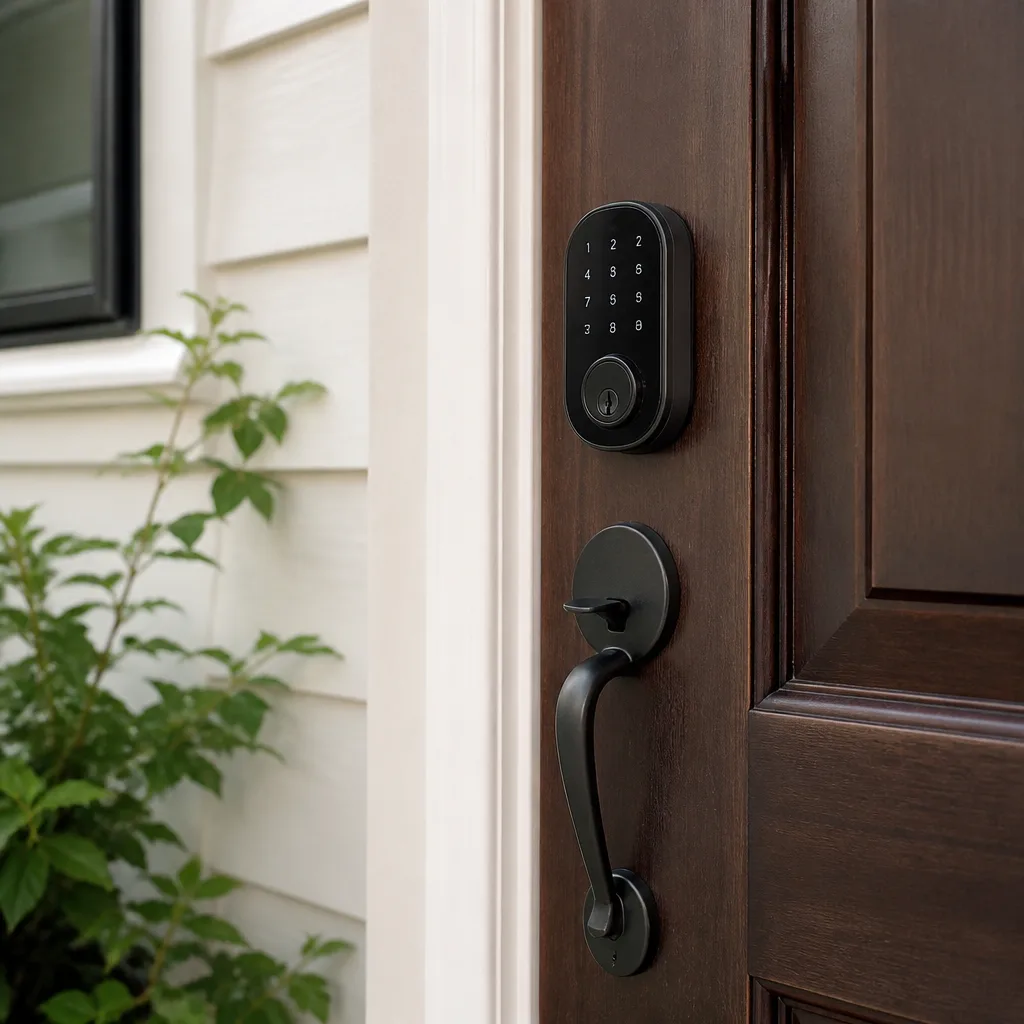 Smart locks
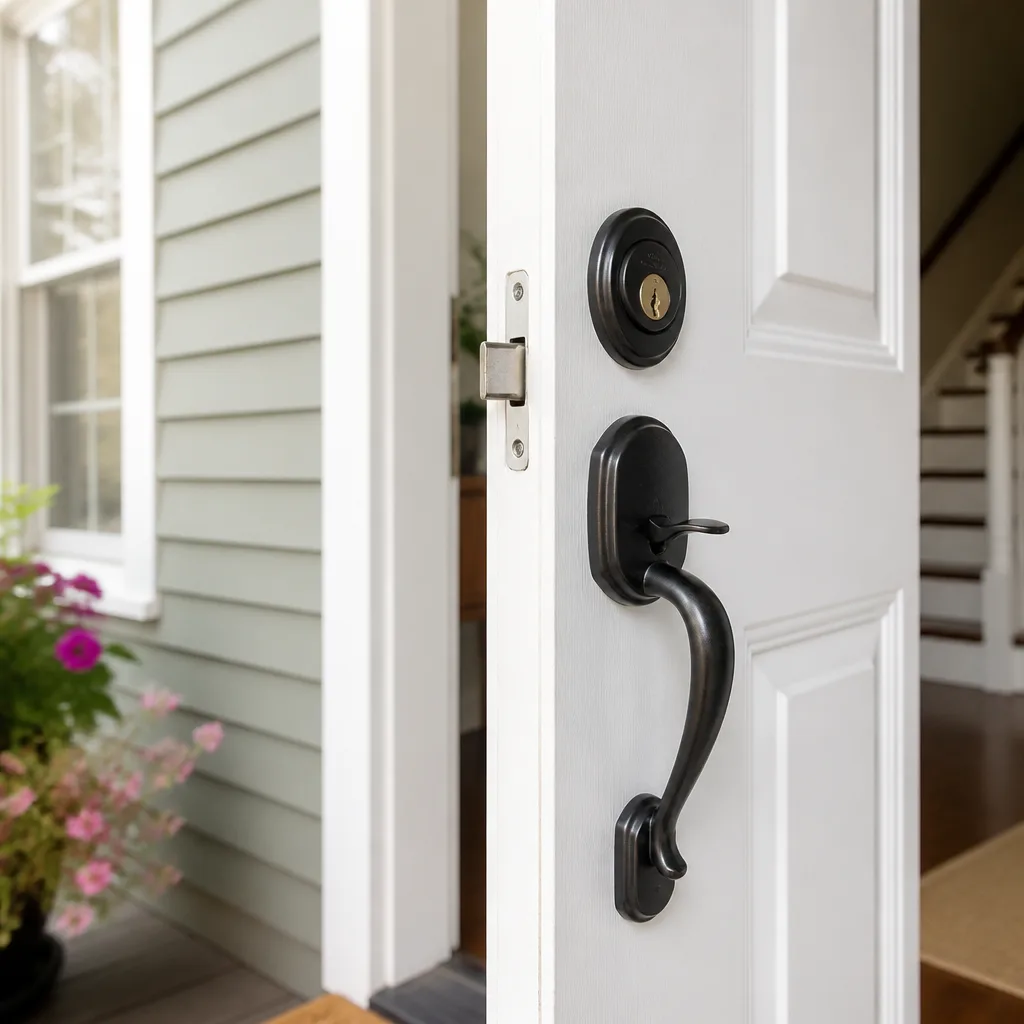 House lockouts
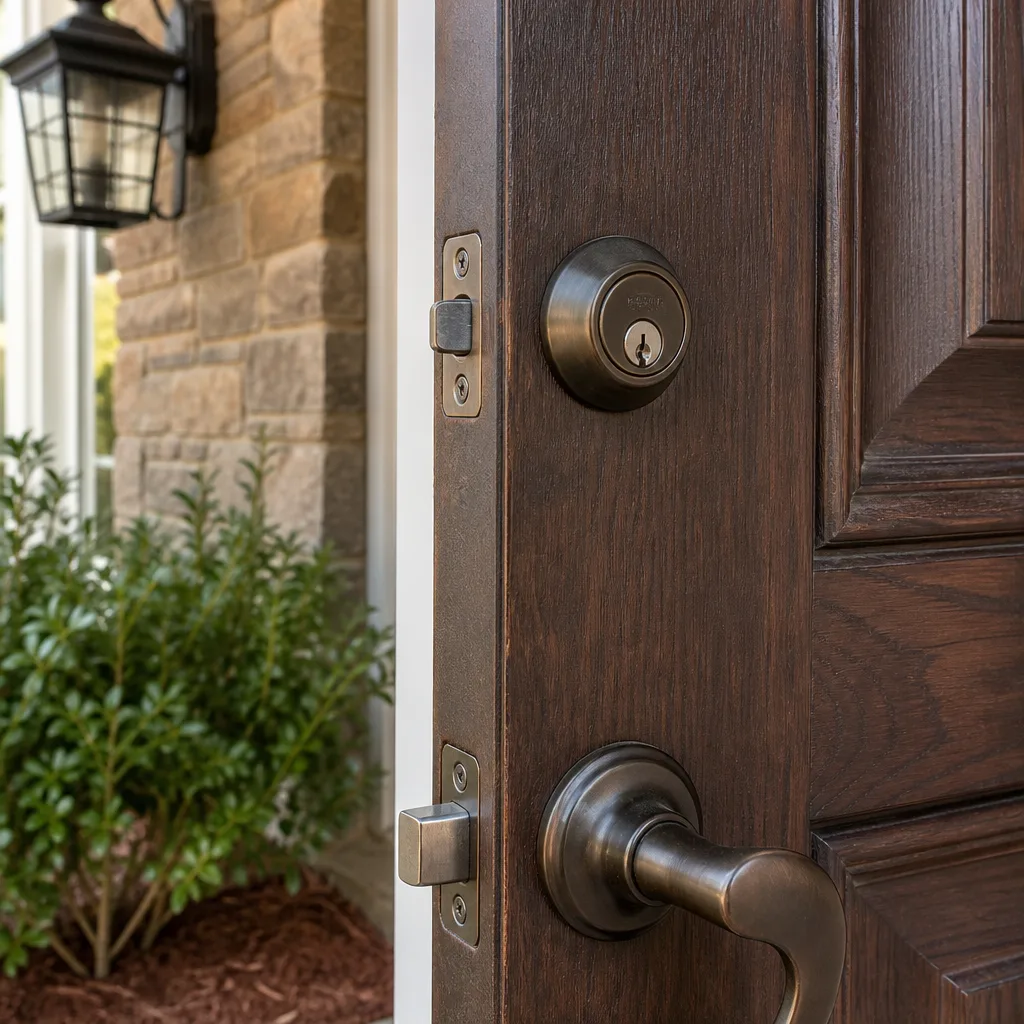 Re-keying
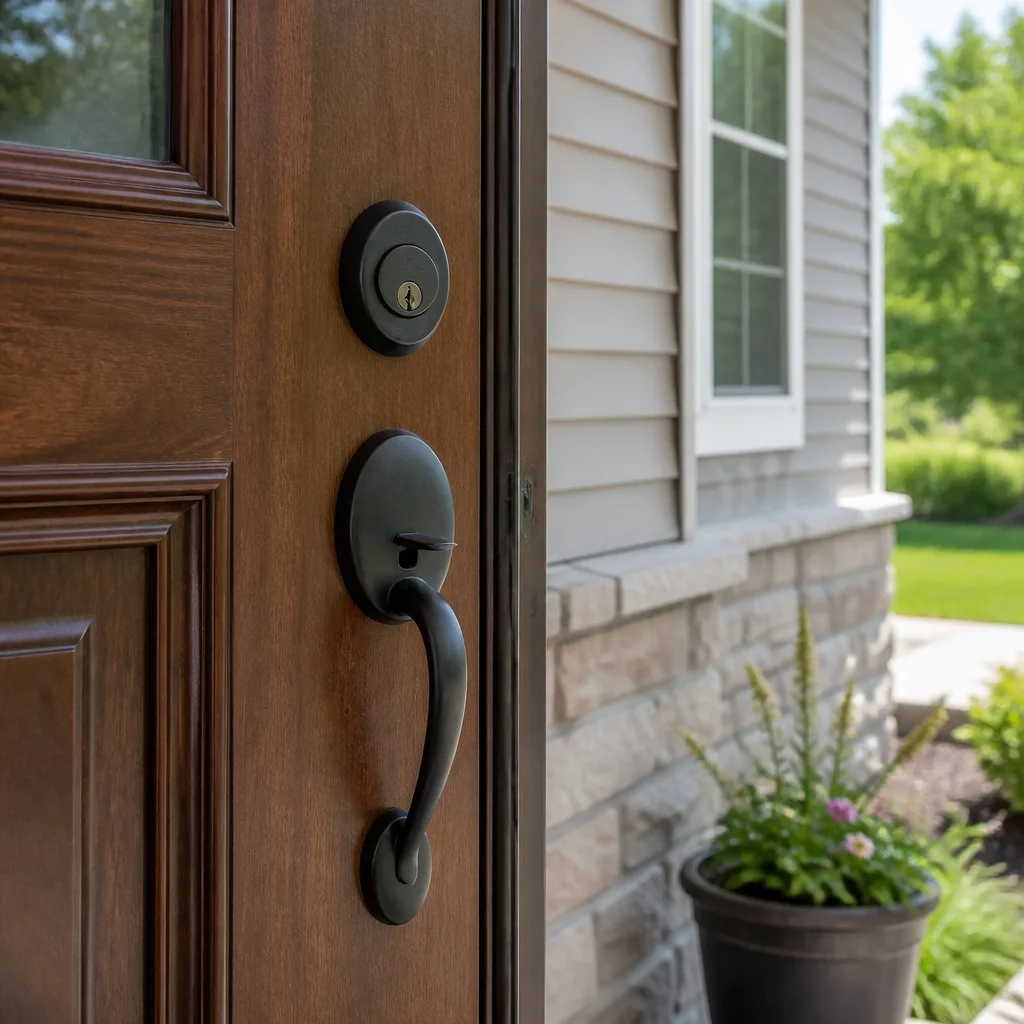 Deadbolt upgrades
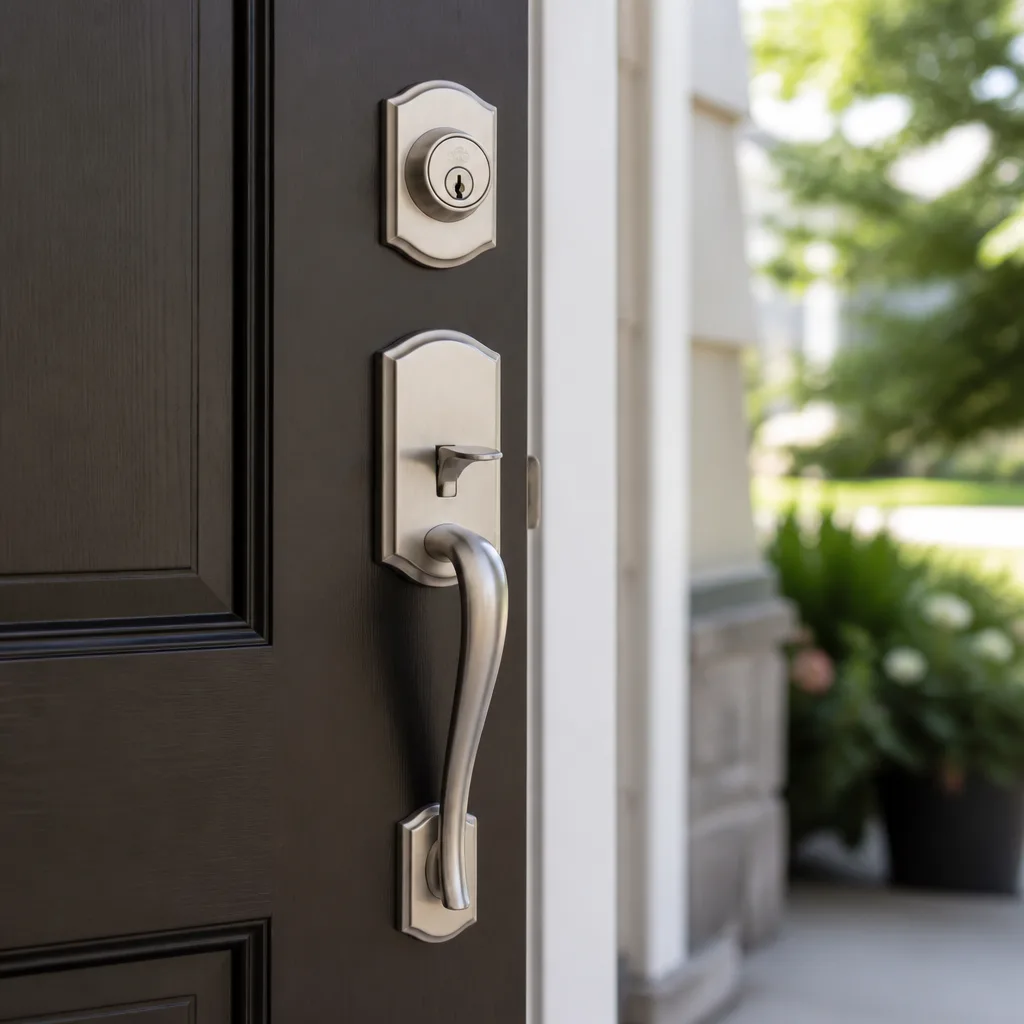 Schlage
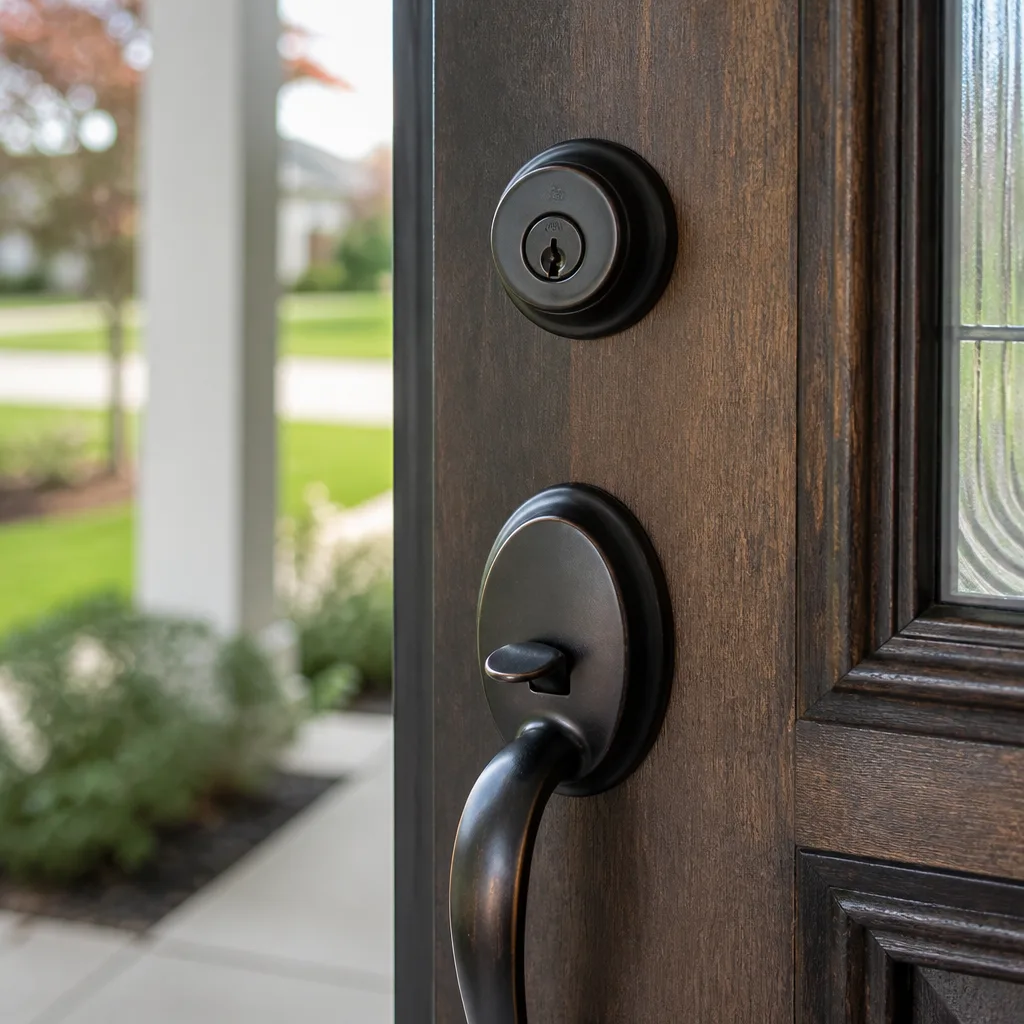 Kwikset
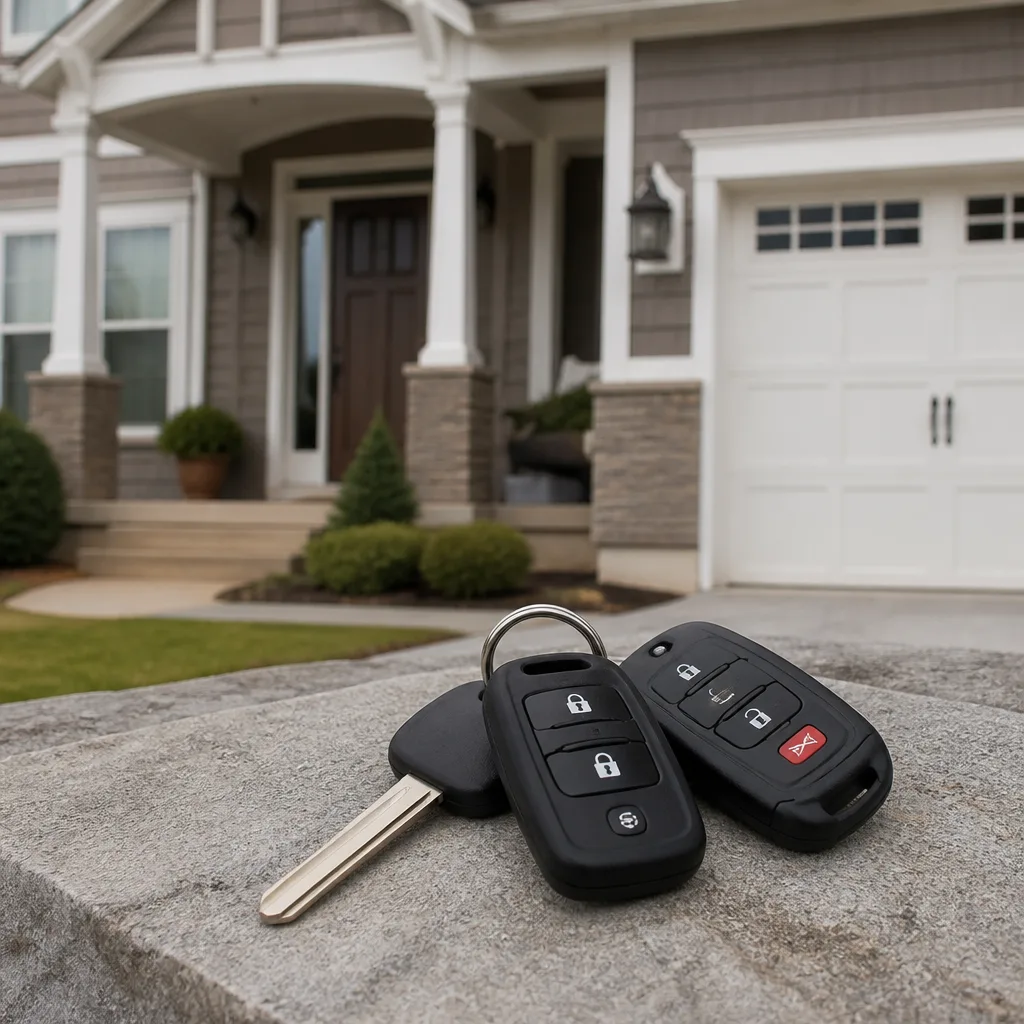 Car keys & fobs
Non-destructive entry first, always - and we re-key Schlage, Kwikset, and Baldwin locks on the spot while you watch
You get a price before we start. It does not change when we arrive. No surprises.
Get your free estimateDIY vs Professional Locksmith: The Gresham Homeowner’s Decision Guide
Here’s a counterintuitive fact about lock work: the easiest-sounding jobs are often the ones homeowners botch most expensively. Replacing a deadbolt looks simple until you realize the new strike plate doesn’t align with the old mortise, or that your door is slightly warped from years of Gresham’s wet winters and now the bolt won’t throw cleanly. This guide draws a specific line between what you can handle on a Saturday afternoon and what deserves a trained professional with the right tools, and you can find more guides & resources on our blog. By the end, you’ll know which projects actually save money as DIY, and which ones quietly cost you more than a locksmith’s bill ever would.
Quick Answer
Most Gresham homeowners can safely handle SmartKey rekeying, deadbolt swaps on pre-drilled doors, electronic lock battery replacement, and exterior lock lubrication. Everything involving standard pin-tumbler rekeying, cutting new keys from code, automotive transponder programming, high-security hardware like Medeco or Abloy, or drilling into a door that was never prepped for a deadbolt should go to a professional, because the cost of correcting a mistake in those areas exceeds the cost of hiring someone from the start.
Styles & brands we work with
Table of Contents
- DIY-Safe Tasks: What You Can Actually Handle
- Looks Simple But Isn’t: The Risk Zone
- Rekeying: The SmartKey vs. Standard Cylinder Divide
- Deadbolt Installation: When Your Door Is Ready and When It Isn’t
- Car Keys and Transponders: Why DIY Hits a Wall
- High-Security Hardware: When DIY Is Off the Table
- What DIY Actually Costs vs. Hiring a Locksmith in Gresham
- The Decision Framework: A Simple Filter for Any Lock Project
DIY-Safe Tasks: What You Can Actually Handle
If you’re holding a screwdriver and wondering whether to pick up the phone instead, start with this: there are four lock projects we’d genuinely recommend to a careful Gresham homeowner. These are jobs where the failure mode is minor, the tools are basic, and the learning curve is measured in minutes, not years.
SmartKey cylinder rekeying. Kwikset’s SmartKey line is the one lock system designed specifically for homeowner rekeying. You insert the reset tool, turn the key, and swap in a new key. It takes about 30 seconds per cylinder. No pins, no springs, no disassembly. If you have Kwikset locks with the small rectangular slot next to the keyhole (or a “SmartKey” stamp on the face), this is genuinely a do-it-yourself task. At Commodore Locksmith home, we’ve shown dozens of Gresham homeowners how to do this in under a minute.
Deadbolt replacement on a pre-drilled door. If your existing deadbolt was professionally installed, the cross-bore hole (the large one) and the edge bore (the smaller one on the door’s side) are already correctly placed. Swapping in a new Schlage B60N or a similar standard-profile deadbolt is mostly a matter of unscrewing the old hardware, sliding in the new bolt, and attaching the exterior and interior halves. The key phrase is “pre-drilled.” If that hole isn’t there, this jumps to the risk list below.
Battery replacement in electronic locks. A Schlage Encode or Yale Assure lock running low on power will usually give you warning signs: sluggish motor, dim keypad, intermittent Bluetooth connectivity. Replacing four AA batteries (or the lithium pack, depending on model) is a five-minute job that needs no specialized tools. Just don’t wait until the lock dies completely, and keep the physical backup key accessible if your model has one.
Exterior lock lubrication. Gresham’s combination of rain, occasional ice, and tree pollen means exterior cylinders get gummed up faster than interior ones. A quick shot of a dry PTFE or graphite-based lubricant into the keyway and onto the bolt mechanism twice a year prevents sticking and extends hardware life. Use dry lube only. WD-40 attracts dust and makes things worse over time.
These four tasks share a common trait: the worst realistic outcome is that you need to call a locksmith anyway. You haven’t damaged anything that can’t be undone in twenty minutes. That’s the line. Once a job involves cutting metal, removing pins from a cylinder, or drilling into a door slab, the cost of error changes dramatically.
Looks Simple But Isn’t: The Risk Zone
Some lock jobs are deceptively dangerous to your budget and your security. They appear on YouTube as five-minute fixes, but the videos don’t show what happens when the tolerances are off by a millimeter or the lock is a generation older than the tutorial assumed.
Standard pin-tumbler rekeying without proper tools
Rekeying a Schlage, Yale, or older Kwikset (non-SmartKey) cylinder means removing the plug, dumping the old key pins, and installing new ones matched to a new key. You need a plug follower, a pinning tray, a selection of key pins and driver pins, and an understanding of how they interact. Get the pin lengths wrong and the cylinder won’t turn. Lose a spring and the key won’t insert. Reassemble with a driver pin in the wrong chamber and the lock jams entirely. In our experience in Gresham, we regularly see cylinders that homeowners attempted to rekey and then couldn’t even remove from the door, because the plug is half-out and stuck. That’s no longer a rekey job. That’s a replacement.
Deadbolt installation on a door without a pre-drilled hole
This is where DIY projects go from “minor inconvenience” to “door frame repair.” Installing a deadbolt from scratch requires boring a 2-1/8-inch hole through the door slab and a 1-inch hole through the edge, then mortising out the faceplate pocket on the edge, then accurately positioning the strike plate on the jamb. The holes must intersect at exactly 90 degrees or the bolt won’t line up. The strike plate must sit in the right spot or the bolt won’t throw. A misaligned strike plate means the deadbolt either doesn’t lock fully or binds every time you use it. An over-drilled or splintered edge bore means the faceplate won’t sit flush, which can compromise the lock’s resistance to forced entry. Gresham homes built in the 1970s and earlier often have solid-core doors where a botched bore is far harder to patch than on a hollow-core door. We’ve seen doors that needed complete replacement after an ambitious weekend attempt went sideways.
Programming automotive transponders without professional software
Modern car keys aren’t just cut metal. They contain a transponder chip that talks to the vehicle’s immobilizer system. Programming a new chip requires either a dealership-grade diagnostic tool or specialized aftermarket software, plus knowledge of the specific vehicle’s protocol. Some Gresham drivers with older vehicles can get away with a basic metal key, but anything made after roughly 2005 almost certainly needs chip programming. Attempting this without the right equipment can lock up the immobilizer entirely, leaving the car undrivable until a professional clears the fault codes. At that point, you’re paying for the fix plus the rescue, which is more than Car Key Replacement in Gresham costs in the first place.
Rekeying: The SmartKey vs. Standard Cylinder Divide
The decision between DIY and professional rekeying in Gresham comes down to one question: what kind of cylinder do you have? For a detailed walkthrough, see How to Hire a Locksmith Contractor in Gresham: A Step-by-Step Guide. These two paths could not be more different.
- Identify your cylinder type. Look at the lock face. A small rectangular slot next to the keyhole or a “SmartKey” stamp means Kwikset SmartKey. No slot, no stamp, and a brand like Schlage, Baldwin, or older Kwikset means standard pin-tumbler.
- If SmartKey: get a SmartKey reset tool (usually included with the original lock or available at hardware stores), insert it into the small slot, turn the current key 90 degrees, remove the key, insert the new key, turn back, remove the tool. Done in under a minute per lock. No pins to handle, no risk of damaging the cylinder.
- If standard pin-tumbler: you need a pinning kit with the right pin heights for your key’s bitting, a plug follower, a pinning tray, and the patience to work with small springs under tension. One mistake and the lock needs professional repair or replacement.
- Call for a rekey instead. If you’re staring at standard cylinders and don’t have the full toolset, pick up the phone. A Rekey Locks in Gresham service call gets every lock on the property rekeyed to a single key in about an hour, with no springs launched across the kitchen floor.
Rekeying matters more than most homeowners realize. It’s not just about lost keys. Moving into a new house in Gresham means you don’t know how many spare keys are floating around from the previous owner, their contractor, their dog sitter, their ex. A rekey resets that security question entirely, without replacing the hardware itself. It’s the most cost-effective security upgrade available, and it’s the one service we consistently recommend for any property that’s changed hands.
Deadbolt Installation: When Your Door Is Ready and When It Isn’t
Deadbolt replacement is a top-three DIY project in American homes, and a solid majority of Gresham homeowners can handle the straightforward version. The dividing line is whether your door has a correctly bored cross-bore hole from the original installation.
Ready for DIY: The existing deadbolt was professionally installed or came with the door from a manufacturer. The hole is clean, round, and centered correctly. The edge bore is straight and the faceplate mortise fits the new hardware. In this case, swapping a Schlage for another Schlage (or any standard-profile deadbolt) is a tool-light job: a Phillips screwdriver, maybe a small flathead to pry off the concealed screws on the interior plate, and ten minutes.
Not ready for DIY: The door never had a deadbolt and you’re cutting the first hole. The existing deadbolt is a non-standard profile and the new one doesn’t match the existing mortise. The door is metal-skinned, which is increasingly common in newer Gresham construction and requires step bits and more force control than wood. The strike plate on the jamb is misaligned from years of seasonal shifting, which is common in Gresham’s damp climate where door frames swell and contract. Any of these conditions means the job needs a professional with a jig, a hole saw set, and experience correcting misalignment without weakening the jamb.
If your current deadbolt sticks, rubs, or needs a shoulder-shove to lock, that’s a strike plate alignment issue, not a lock replacement issue. Fixing it means moving the strike plate screws and chiseling out a few millimeters of jamb material. It’s adjustable, but it’s also exactly the kind of fine adjustment where a professional touch keeps the deadbolt throwing fully into the plate, which is what actually resists a kick-in.
Car Keys and Transponders: Why DIY Hits a Wall
The biggest gap between homeowner expectations and locksmith reality is automotive work. Most Gresham drivers assume car key replacement is just a matter of cutting a new blade, because that’s how it worked in 1985. It hasn’t worked that way in decades.
Modern vehicle keys fall into three categories. Basic metal keys exist only on older cars, and even some of those have embedded chips. Transponder keys contain a microchip that must be programmed to the vehicle. Smart keys and push-button-start fobs are fully electronic devices that communicate with the car through proximity sensors. Anything in the second or third category, which is nearly everything on the road in Gresham today, requires diagnostic equipment that reads the vehicle’s immobilizer system and programs the new key to match. This equipment costs thousands of dollars, requires regular software updates, and is specific enough that a tool that works on a Toyota won’t necessarily work on a Subaru.
Attempting DIY programming with universal tutorials is a known way to trigger immobilizer lockout, where the car refuses to recognize any key, including the original. The fix is a professional diagnostic session to clear the error state, followed by correct programming. The sequence of DIY attempt then professional rescue costs significantly more than calling a specialist from the start, and it leaves you without a working car for longer.
This is one area where the spread of expertise matters. A locksmith who works across home and automotive security understands the difference between a Kwikset cylinder and a Medeco high-security system, and also understands how a vehicle immobilizer differs from a residential deadbolt. That combined knowledge means one phone call covers your front door and your car door.
High-Security Hardware: When DIY Is Off the Table
There’s a category of lock hardware that doesn’t just resist attack, it resists modification. Medeco, Mul-T-Lock, and Abloy cylinders are designed with moving pins, sidebar mechanisms, and proprietary keyways that require manufacturer-specific tools to rekey or repair. These are the systems you find on commercial properties in Gresham, high-end residential builds in the East County hills, and anywhere the owner takes physical security seriously.
Here’s what makes DIY irrelevant on these systems. The key blanks are patented and controlled. You can’t walk into a hardware store and get a Medeco blank cut. The pins and sidebars are proprietary, which means a standard pinning kit doesn’t contain the parts. The rekeying process requires training from the manufacturer or a distributor, and the warranty on the security claims is voided if an unlicensed individual opens the cylinder. Attempting to rekey an Abloy disc-detainer cylinder with generic tools doesn’t just fail, it destroys the very mechanism that makes the lock secure.
For Gresham property managers and small-business owners who have invested in high-security hardware, the decision framework is simpler than for the average homeowner: there is no DIY path. The only real choice is which professional to call, and the relevant qualification is whether that locksmith has demonstrated fluency with the specific system installed, not just a general locksmith license.
Commodore Locksmith’s brand roster includes Schlage, Kwikset, Medeco, Yale, Baldwin, Mul-T-Lock, Sargent, and Abloy. That range matters because it means we’re not starting from zero when a customer’s property runs on something above basic residential grade. High-security brands, handled right.
What DIY Actually Costs vs. Hiring a Locksmith in Gresham
Cost comparisons tend to compare the wrong numbers. They compare a bag of parts from the hardware store against a locksmith’s service call, and call it a win for DIY. That ignores the two biggest costs: the value of your time when things go wrong, and the cost of correcting a mistake that damages the door, frame, or lock itself.
Here’s a realistic picture of what these projects cost in the Gresham market as of 2026:
| Project | DIY Parts Cost | Professional Cost Range | Risk of DIY Error |
|---|---|---|---|
| Kwikset SmartKey rekey | $0 – $10 (reset tool) | $65 – $110 (service call + rekey) | Very low – designed for homeowner use |
| Standard Schlage/Yale rekey | $40 – $80 (pinning kit + supplies) | $65 – $140 (service call + rekey) | Moderate to high – cylinder damage possible |
| Deadbolt swap (pre-drilled) | $30 – $90 (hardware only) | $90 – $180 (hardware + labor) | Low – straightforward swap |
| Deadbolt install (no existing hole) | $30 – $90 (hardware + hole saw kit) | $140 – $260 (hardware + boring + strike alignment) | High – door and frame damage possible |
| Car transponder key replacement | N/A (no viable DIY path) | $150 – $350 (key + programming) | Extreme – immobilizer lockout risk |
| High-security cylinder rekey (Medeco, Abloy, etc.) | N/A (proprietary tools required) | $25 – $45 per cylinder | Extreme – voided warranty, destroyed cylinder |
These are honest ranges, not teaser rates. The pattern is consistent: DIY wins on SmartKey rekeying and basic deadbolt swaps, where the error risk is low and the parts are inexpensive. Professional service wins everywhere else, because the cost of a failed DIY attempt usually includes the professional’s fee plus the cost of repairing what the attempt damaged.
One more thing worth saying plainly: the price you’re quoted on the phone should be the price you pay. That’s the standard we hold. No call-out surcharge magically appears on arrival, and the full cost is quoted before anyone is dispatched.
The Decision Framework: A Simple Filter for Any Lock Project
Rather than memorizing every scenario in this guide, use this filter. It takes about thirty seconds to run through and it’s accurate for nearly every residential lock project in Gresham.
- Is the lock a SmartKey cylinder and is the task limited to rekeying? If yes, DIY is appropriate. If it’s a standard pin-tumbler cylinder, call a professional.
- Does the task require cutting or drilling into the door, frame, or jamb? If yes, call a professional unless you have specific carpentry experience and the right jigs.
- Is the hardware ANSI Grade 1, commercial-grade, or from a controlled-brand line like Medeco, Mul-T-Lock, Abloy, or Sargent? If yes, call a professional. These systems are not designed for consumer modification.
- Does the project involve a car key, fob, or transponder programming after roughly 2005? If yes, call a professional. The immobilizer system is not a DIY domain.
- Does the project involve master keying, which means one key opens some locks but not others across a property? If yes, call a professional. Master key systems require planning, specific pinning math, and access to a full pinning kit.
- Is the door fire-rated, on a commercial property, or part of a multi-unit building with code requirements? If yes, call a professional. Fire-rated doors and commercial locks carry code implications that a homeowner-level repair shouldn’t touch.
- Everything else: evaluate case by case. If the worst case scenario is that you call a locksmith later and the cost isn’t meaningfully higher than calling now, DIY is reasonable. If the worst case is a damaged door, lockout, or voided warranty, pick up the phone.
This framework reflects how we approach the trade. We’d rather see a Gresham homeowner handle the SmartKey rekey themselves than pay us for it, because it genuinely is that simple. The same honesty applies in the other direction. When a job sits in the risk zone, we tell people before we take the call.
Common Mistakes to Avoid
- Rekeying a SmartKey with force when the reset tool doesn’t slide in cleanly. SmartKey cylinders have a specific orientation for the reset tool. Forcing it in the wrong position damages the sidebar mechanism. A gentle approach takes thirty seconds; a forced one costs a replacement cylinder.
- Using WD-40 on locks. Gresham’s damp, pollen-heavy air makes exterior locks sticky, and the quick fix many homeowners reach for is WD-40. It works short-term, then attracts dust and gums up the pins even worse. Use dry PTFE or graphite only.
- Replacing a deadbolt without checking the backset measurement. Backset is the distance from the door edge to the center of the cross-bore, usually 2-3/8″ or 2-3/4″ in Gresham homes. Buying a deadbolt with the wrong backset means it simply won’t fit, and you won’t know until you’ve already removed the old one.
- Attempting to rekey a cylinder without containing the springs. Pin-tumbler cylinders have small springs under compression that launch across the room if the plug comes out without a follower. This is the single most common way a “simple rekey” becomes a hardware store run for a replacement cylinder.
- Cutting a new key from a worn original using a hardware store duplicator. Duplicating a worn key copies the wear pattern, not the original bitting. The new key is just as worn as the old one. Professional code-cutting reads the key’s original cuts and produces a key that works smoothly in a fresh cylinder.
- Ignoring strike plate alignment when swapping deadbolts. A new deadbolt installed with the old strike plate still misaligned will bind and fail to throw fully. Most lock replacements that “don’t work right” after a DIY swap are actually strike plate alignment issues, not lock defects.
- Assuming all automotive key programming can be done with an OBD2 scanner. There’s a persistent belief that a cheap Bluetooth OBD2 dongle and a phone app can program transponder keys. It can’t. Immobilizer programming requires manufacturer-specific tools and security bypass procedures that consumer-grade scanners don’t support.
When to Call a Professional
Call a professional when the lock is high-security hardware (Medeco, Mul-T-Lock, Abloy, Sargent), when the door needs its first deadbolt bored, when the project is automotive transponder programming, when the system is master-keyed, when the door is fire-rated or commercial, or when you’ve already attempted a repair and the lock is now jammed, half-disassembled, or non-functional. Also call when you’re locked out at 2 a.m. in Gresham and the temperature is below freezing. Emergency Locksmith in Gresham service exists precisely for that scenario, and the cost of a frozen night on the porch is higher than any service call. Commodore Locksmith offers free estimates in Gresham, call (855) 473-5097.
Frequently Asked Questions
Residential locksmith service in Gresham typically ranges from $65 to $260 depending on the job. A standard rekey runs $65 to $140 per visit, a deadbolt replacement runs $90 to $180 including hardware, and a car transponder key replacement runs $150 to $350 including programming. The price quoted on the phone is the price you pay. Call (855) 473-5097 for an exact quote, estimates are free.
If you have Kwikset SmartKey locks, DIY rekeying is cheaper, costing about $10 for a reset tool versus $65 to $110 for a service call. If you have standard Schlage, Yale, or older Kwikset pin-tumbler locks, the professional route is usually cheaper when you factor in the cost of a pinning kit ($40 to $80), the time investment, and the risk of damaging a cylinder that would then need replacement.
Yes, with the right tools, but it requires a pinning kit, a plug follower, a pinning tray, and working knowledge of how key pins and driver pins interact inside the cylinder. Getting the pin stack wrong leaves you with a lock that works on some keys and not others, or jams entirely. Most Gresham homeowners are better served by a professional rekey, which takes under an hour for all the locks on a property.
For residential doors, Schlage and Kwikset are the standards, with Schlage generally offering better build quality and Kwikset offering SmartKey convenience for easy rekeying. Yale is a strong choice for electronic deadbolts. For homes where security is a genuine priority, including properties on larger lots or with detached outbuildings, Medeco and Mul-T-Lock offer dramatically higher pick and drill resistance, and they require a professional for any rekeying work.
A qualified automotive locksmith can cut and program most transponder keys and smart fobs, often at 30% to 50% below dealership pricing, and without the tow. The key requirement is that the locksmith has the right diagnostic equipment and software for your specific vehicle. This is why it’s worth asking about automotive experience before booking, not all locksmiths handle car key programming.
Emergency locksmith response in Gresham depends on your location and time of day, but most residential calls are reached within 30 to 60 minutes. If you’re locked out in the Powell Valley area or anywhere with limited road access in winter conditions, allow more time. Call (855) 473-5097 and the dispatcher will give you an honest arrival window, not a vague promise.
The Bottom Line
The DIY versus professional locksmith decision in Gresham isn’t about how handy you are. It’s about the type of lock, the condition of the door, and the cost of getting it wrong. SmartKey rekeying, pre-drilled deadbolt swaps, battery replacements, and dry lubrication are genuinely homeowner-appropriate. Standard pin-tumbler rekeying, first-time deadbolt installation, automotive transponder work, and anything involving high-security hardware belong with a professional. The framework is simple: if the worst case scenario is a quick phone call, DIY is reasonable. If the worst case scenario is a destroyed door, a locked-up immobilizer, or a voided security warranty, hire the expert from the start. For help preparing for urgent situations, see our Locksmith Emergency Preparedness Guide for Gresham Homes. Commodore Locksmith serves Gresham homeowners, drivers, and property managers with one call covering home, business, and vehicle. Call (855) 473-5097 for a free estimate on any lock project.
Written by the team at Commodore Locksmith, serving Gresham since 2012.