Last updated October 31, 2026
 Smart locks
 House lockouts
 Re-keying
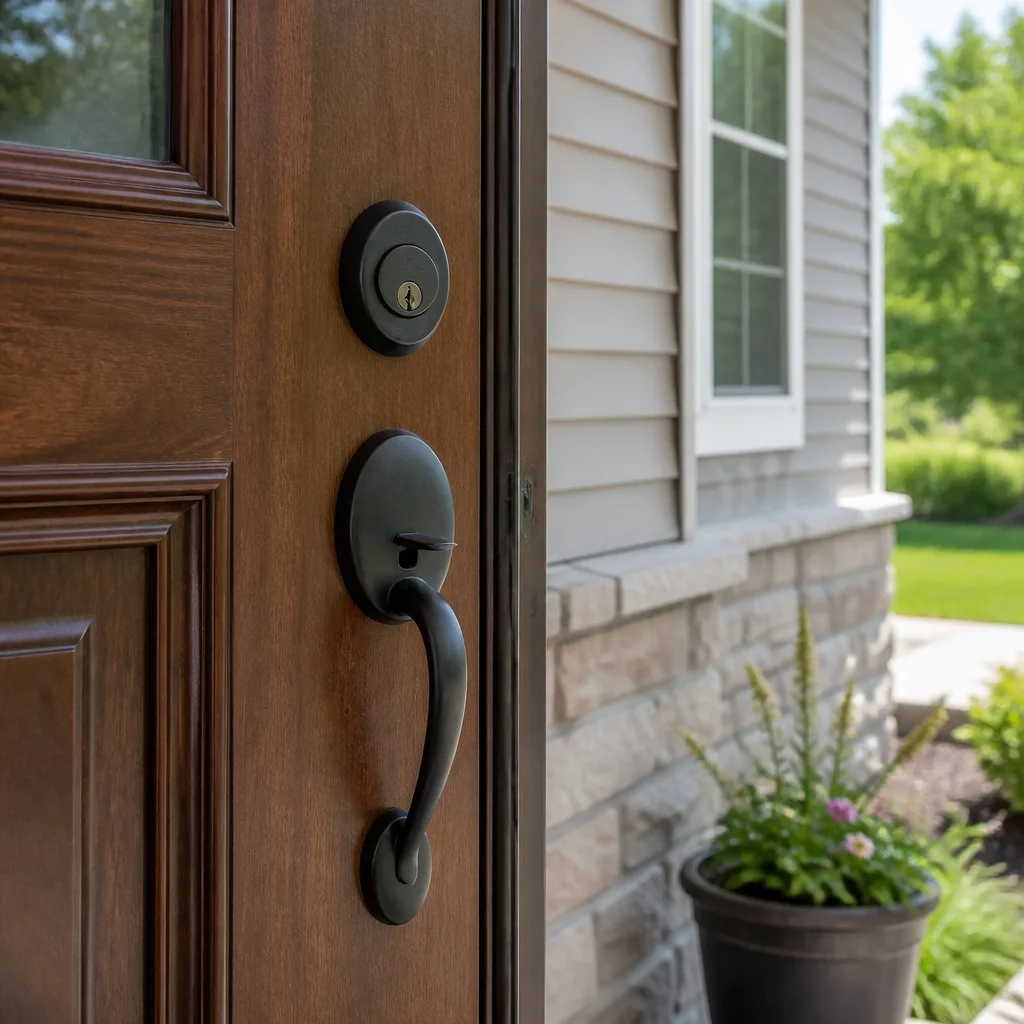 Deadbolt upgrades
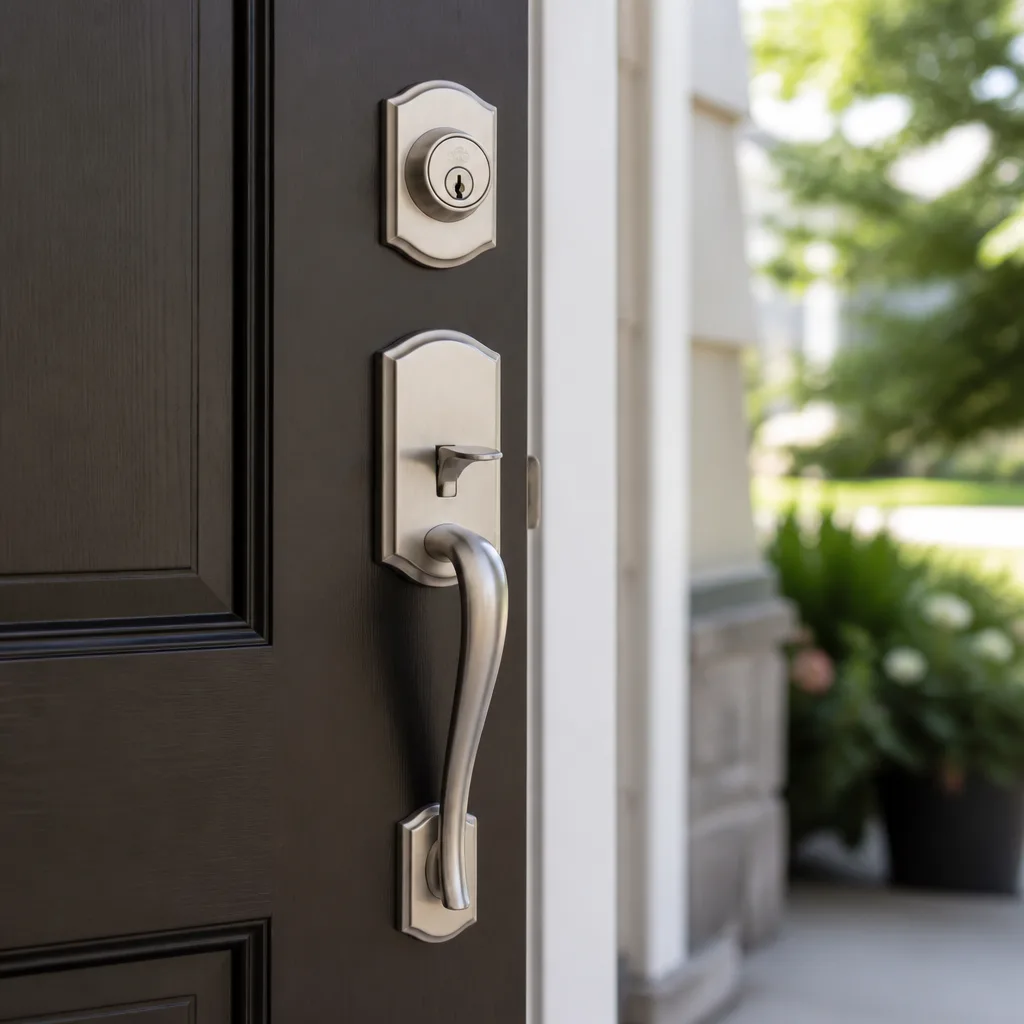 Schlage
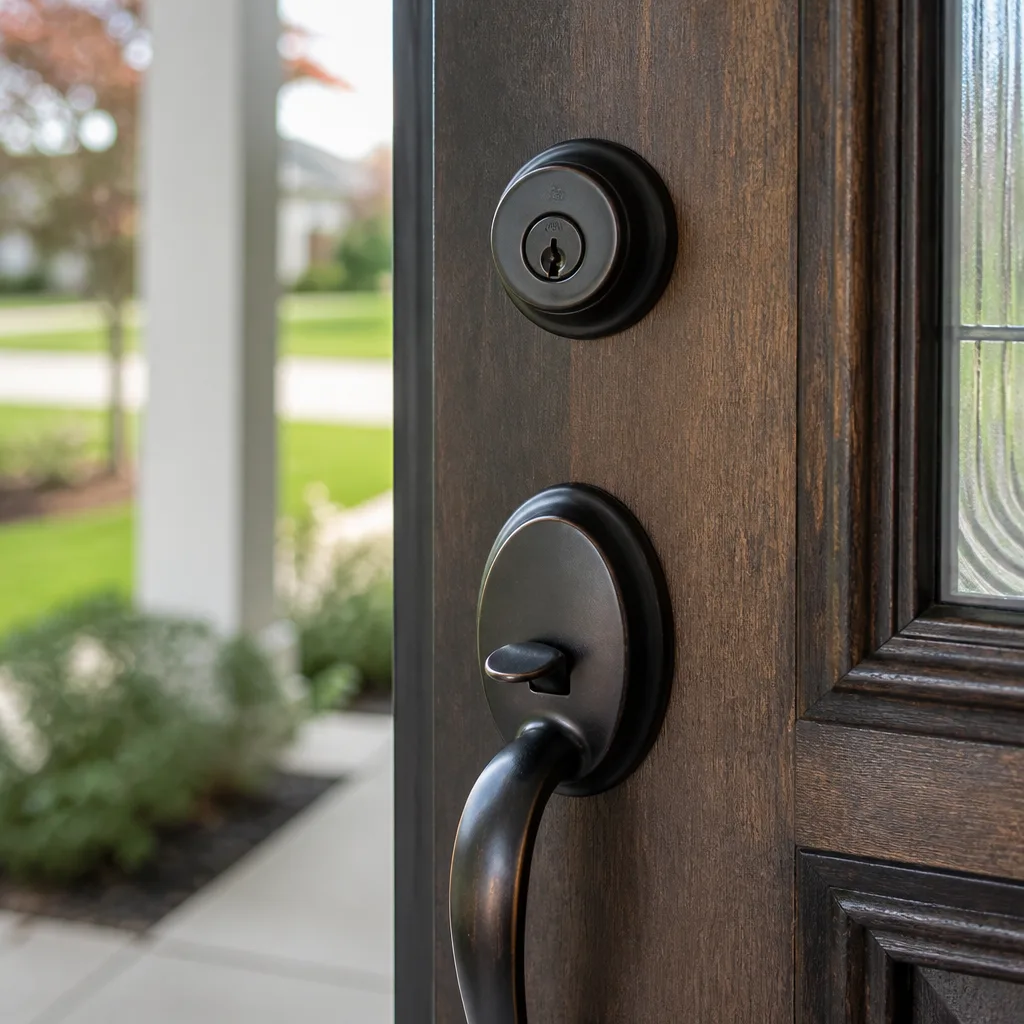 Kwikset
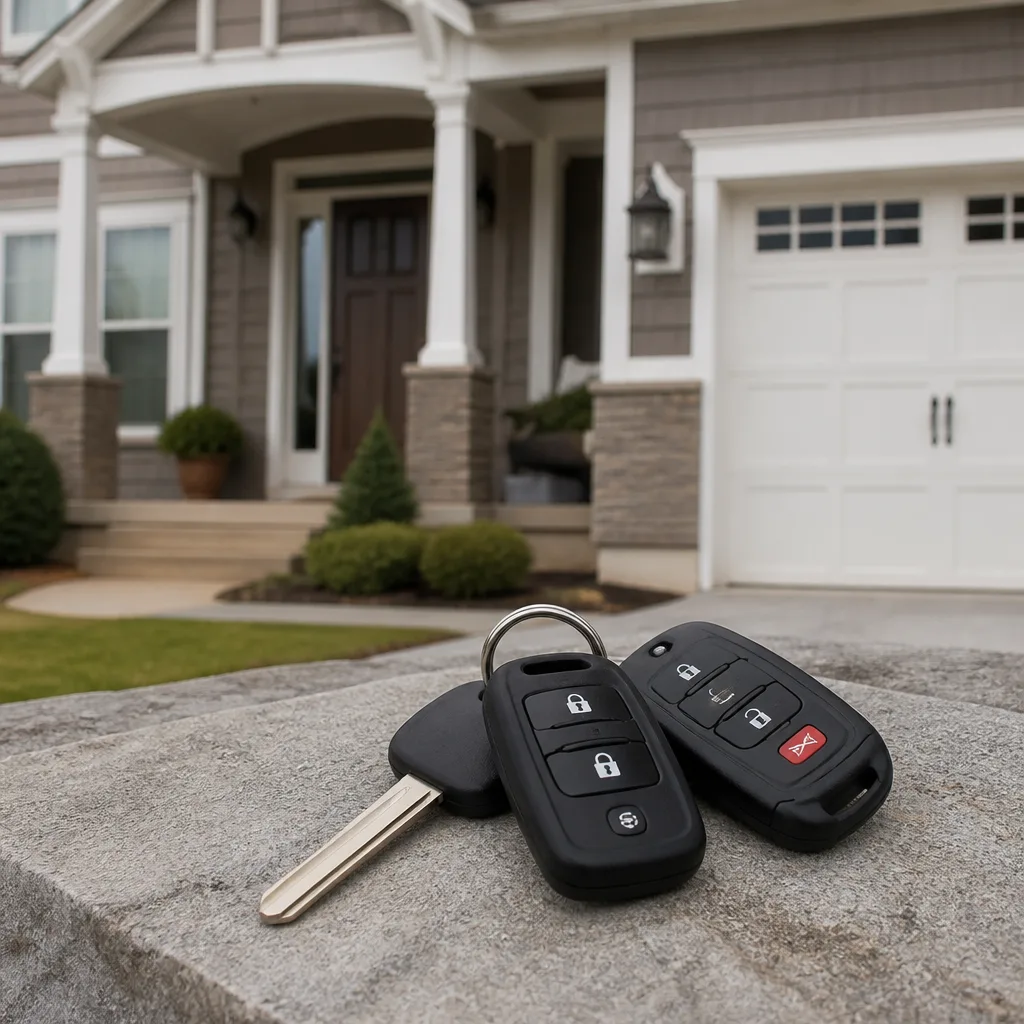 Car keys & fobs
Non-destructive entry first, always - and we re-key Schlage, Kwikset, and Baldwin locks on the spot while you watch
You get a price before we start. It does not change when we arrive. No surprises.
Get your free estimateChoosing the Right Locksmith Brand: A Buyer’s Guide for Gresham
Kwikset and Schlage together own most of the retail lock market in the United States, but here’s what nobody tells you at the hardware aisle: neither brand’s standard residential line meets the ANSI Grade 1 threshold that insurance carriers and security consultants consider the baseline for meaningful forced-entry resistance. Most Gresham homeowners have never been told where the real performance gaps sit between what’s on the shelf at Home Depot and what a specialist-grade locksmith actually installs on doors that matter. This guide maps the brand landscape from commodity to high-security so you can match hardware to your actual risk profile, not a marketing budget.
Styles & brands we work with
Quick Answer
For most Gresham homes, a Schlage B-series deadbolt (Grade 2 or Grade 1) paired with a reinforced strike plate handles everyday security well. If you keep valuables at home, run a business from a Gresham storefront, or want protection against bump-key attacks, a high-security brand like Medeco, Mul-T-Lock, or Abloy with restricted key control is the actual upgrade. Brand matters less than installation quality, which is why a Schlage installed correctly beats a Medeco mounted into a hollow-core door with a single screw.
Table of Contents
- The Three-Tier Lock Brand Framework
- What ANSI/BHMA Grading Actually Means in Practice
- The Key Control Problem: Bumping, Picking, and Key Duplication
- Matching Brand to Use Case: Rentals, Homes, and Work Spaces
- Why Brand Alone Isn’t Enough: The Full Entry Point
- Gresham-Specific Considerations for Locks and Hardware
- How a Locksmith Evaluates Your Security: A Step-by-Step Walkthrough
- Common Mistakes to Avoid
- When to Call a Professional
- Frequently Asked Questions
- The Bottom Line
The Three-Tier Lock Brand Framework
Lock brands don’t compete in one marketplace. They occupy three roughly distinct tiers, and once you see the tiers, the marketing language on the packaging gets a lot easier to decode.
Tier 1: Commodity locks. This is Kwikset’s standard line, Master Lock door hardware, Defiant, and most off-brand products sold at big-box stores. These locks cost $15 to $40, install quickly, and match keys easily. They also rely on stamped internal components, five-pin cylinders with no additional security pins, and thin bolt construction. A commodity lock stops an honest snoop and signals that a door is locked. It does not meaningfully resist a determined kick, a bump key, or a raking attack. The cycle testing on these units typically lands at Grade 3, which we’ll explain below.
Tier 2: Residential-grade locks. Schlage’s B-series deadbolts, Kwikset’s 980 series, and similar mid-range hardware from Yale and Baldwin sit here. Prices run $40 to $120. Construction improves: thicker bolts that extend a full inch into the frame, stronger internal springs and cylinders, better finishes that survive Gresham’s wet winters without corroding. Some models in this tier reach Grade 2 or Grade 1 certification. For the vast majority of Gresham homes, Tier 2 is the rational default: strong enough to slow a forced entry attempt, affordable enough to put on every exterior door without hesitation.
Tier 3: High-security locks. Medeco, Mul-T-Lock, Abloy, and Sargent dominate this space. Hardware costs $150 to $400 or more per cylinder. The differences are substantial: sidebars that resist picking, drill-resistant inserts, hardened steel bolts, and restricted keyways that prevent unauthorized duplication. These are the brands specified in commercial facility audits, government buildings, and data centers. A Gresham homeowner with a gun safe, a home office holding client data, or a detached garage full of tools might reasonably consider Tier 3 for specific doors. A renter in Rockwood probably doesn’t need it.
We work across all three tiers because customers arrive at different points on this spectrum. The key is knowing which tier fits your actual exposure, not just your budget.
What ANSI/BHMA Grading Actually Means in Practice
ANSI and BHMA test locks and assign them a grade: Grade 1, Grade 2, or Grade 3. The testing protocol measures things like how many cycles the lock survives (a cycle being one open-and-close operation), how much force the bolt resists, and how well components hold up over time. Here’s what the grades mean for a real door in Gresham:
- Grade 3: 200,000 cycles. Basic residential use only. The bolt resists roughly 200 pounds of force before failing. This is fine for an interior door or a rarely used shed, but it shouldn’t be on any exterior door you care about. Most commodity locks land here, even when the packaging doesn’t say so explicitly.
- Grade 2: 400,000 cycles. Stronger bolt retention, typically above 400 pounds of force resistance. Acceptable for most residential exteriors. Many Schlage and Kwikset mid-range models achieve Grade 2.
- Grade 1: 800,000 cycles or more. Bolt resistance often exceeds 800 pounds. Components are tested for commercial traffic levels: apartment buildings, office doors, storefront back entrances. Some Schlage B-series and almost all commercial Sargent, Medeco, and Mul-T-Lock hardware meet Grade 1.
Here’s the part that surprises homeowners: the grade stamped on the package can differ from the performance of the installed unit. A Grade 1 deadbolt mounted with a short-throw bolt into a weak frame delivers Grade 3 performance. The grading system tests the lock in isolation, not the door system. We’ll get to that in the full entry point section below.
For a Gresham homeowner deciding what to buy, a useful rule of thumb is this: exterior doors facing the street or an alley should carry Grade 2 at minimum. Exterior doors on the back of the house, facing a fenced yard with limited visibility, should get Grade 1 if the budget allows. Interior doors honestly don’t need anything above Grade 3.
The Key Control Problem: Bumping, Picking, and Key Duplication
Key control is the biggest unexamined variable in residential security. It works like this: every key you’ve ever made at a Gresham hardware store is cut to the factory default depths of a standard keyway. Anybody who borrows your key for ten minutes can duplicate it for three dollars. After a former tenant, a contractor, or a house cleaner has had access to your key, you have no reliable count of how many copies exist in the world.
That’s the key control problem, and it’s why brand choice enters the conversation in a serious way.
Standard Kwikset and Schlage cylinders use simple pin tumbler designs with five pins and no security features beyond basic spool pins in some models. A bump key, a cheap hand tool available online, can open many of these locks in seconds. Raking attacks work similarly. The tradeoff for convenience is real: convenience keyways are widely understood by low-skill attackers and widely duplicable by anyone with a key blank.
Kwikset’s SmartKey system offers a different convenience: you can rekey the lock yourself in 30 seconds using a learning tool. That’s genuinely useful for a Gresham landlord who rekeys between tenants. But the SmartKey cylinder has been demonstrated to be vulnerable to a specific force attack, and its key control remains standard: anyone with the key can still copy it at a kiosk.
High-security brands change the calculus. Medeco, Mul-T-Lock, and Abloy Protec2 all use restricted keyways. That means the key blanks are patented and only cut by authorized dealers, with proof of ownership required. You genuinely control who can make copies. The cylinders also add sidebars, angled cuts, and drill-resistant elements that make picking and bumping dramatically harder. A thief who can bump a standard Kwikset in ten seconds will not bump a Medeco in ten minutes, or likely at all. They’ll move to an easier house.
For a Gresham homeowner, the question is whether anyone outside your household has ever held a copy of your key. If yes, key control is already broken. A rekey in Gresham resets access without replacing any hardware, and upgrading to a restricted keyway is the only way to restore true key control permanently.
Matching Brand to Use Case: Rentals, Homes, and Work Spaces
The right brand depends on the door’s job. Here’s how we think about use cases in Gresham:
Rental properties. A Gresham landlord with a duplex in Rockwood or a single-family rental near Powell Valley has a different risk profile than an owner-occupant. Tenant turnover means keys float around. The smart move is a rekey between every tenant, ideally with a lock that supports quick rekeying without replacing the whole unit. Kwikset SmartKey works for budget-conscious setups, but the key control limitation remains. A better option for landlords who’ve had bad experiences is a Schlage with a standard cylinder and a disciplined rekey schedule, or a restricted-key platform if the property allows the budget. Rekeying locks in Gresham between tenants is the single highest-value security action a landlord can take.
Primary residences. For a Gresham homeowner, two exterior doors and a deadbolt on the door from the attached garage are the main focus. Grade 2 Schlage or Grade 1 Schlage B-series is the workhorse. Kwikset 980 offers similar physical durability. If you keep firearms or jewelry at home, stepping one door up to a Medeco or Mul-T-Lock cylinder is a defensible choice, especially for the front door and the garage entry. The point isn’t paranoia; it’s that the high-security cylinder buys you minutes of resistance instead of seconds, and minutes are what actually trigger alarms or neighbor phone calls.
Home offices and detached garages. A Gresham resident running a business from a converted garage or a home office with client files, product inventory, or expensive tools should treat that door like a commercial entry. A Grade 1 Schlage paired with a high-security cylinder, or a full Sargent or Baldwin commercial lock if the door supports it, is realistic. The goal is to increase the time and skill required to enter. A detached garage in a Gresham neighborhood with alley access is particularly exposed because the attacker works out of street view. That’s a case where a $250 Medeco cylinder on a solid-core door is cheaper than replacing stolen tools.
Why Brand Alone Isn’t Enough: The Full Entry Point
Here’s the structural truth that brand marketing omits: a cylinder sits inside a door, a door sits inside a frame, and the frame is screwed into studs. The lock is the smallest component of the security system. A Medeco cylinder in a hollow-core interior door with a single-screw strike plate is still a weak system. A kick attack doesn’t defeat the cylinder at all; it splits the door jamb or degloves the strike plate screws.
When we assess an entry point in a Gresham home, the sequence looks like this:
- Door construction. Solid-core wood or metal doors resist kick attacks. Hollow-core doors fail quickly. Most Gresham homes built in the last 40 years have solid-core front doors and hollow-core interior doors, which is fine as long as the security boundary is at the exterior.
- Strike plate and screws. A strike plate mounted with three-quarter-inch screws into soft door trim is cosmetic. The standard upgrade is a heavy-duty strike plate with three-inch screws that reach the stud behind the jamb. This costs $10 in hardware and multiplies kick resistance.
- Bolt throw and alignment. A deadbolt that extends only half an inch because the prep hole was bored shallow, or one that binds against the strike because the door has settled, gives away a huge chunk of its rated strength. Alignment matters more than brand name.
- Hinge security. Exterior doors with exposed hinge pins can be popped if the hinges face outward. Most residential doors hang the right way, but a Gresham home with an outswing exterior door should have non-removable hinge pins or security studs.
- Cylinder and key control. Only now do we get to brand. The cylinder matters, but it’s the last layer, not the first.
This order matters because it guides budget. A homeowner with $300 to spend on security will get dramatically better results from a solid strike plate upgrade, three-inch screws, and a Grade 2 Schlage than from a $300 Medeco cylinder installed into the same weak door system. The specialist evaluates the full entry point, not just the lock, and that’s the difference between a hardware swap and a security upgrade.
Gresham-Specific Considerations for Locks and Hardware
Gresham’s climate and housing stock create specific conditions for lock hardware. We’re in the western shadow of the Cascades, which means wet winters, occasional ice storms, and sustained moisture from October through May. Exterior lock finishes have to stand up to that. Here’s what that means for brand selection in Gresham specifically:
- Finish durability. Coastal-influenced moisture accelerates corrosion on cheap finishes. The difference between a Kwikset satin nickel and a Schlage or Baldwin lifetime finish becomes visible after two or three Gresham winters. Buy a finish rated for coastal or high-moisture environments for any door exposed to direct weather, like a back door without an awning or a detached garage entry.
- Temperature swings and keyway binding. Gresham sees enough freeze-thaw cycling that exterior locks with tight tolerances can bind in cold weather. High-security cylinders like Medeco and Mul-T-Lock use tighter machining than commodity locks. That’s normally a virtue. In an unheated detached garage or a gate latch exposed to the elements, a tight keyway can require graphite or a specific dry lubricant in January. Standard practice is to lubricate with a non-sticky dry lube before winter, not after the key stops turning.
- Housing stock age. Large portions of Gresham’s residential neighborhoods east of 181st and around downtown were built from the 1960s through the 1990s. Doors from that era commonly have thin steel skins over wood stiles, which are fine structurally but often have narrow preps drilled for 2-1/8 inch cylinders. Retrofitting a high-security cylinder into an older door sometimes requires re-drilling the prep, which a specialist can do cleanly without splintering the veneer.
- Vehicle exposure. Gresham’s car theft and break-in rates run above the Oregon state average in certain corridors. A homeowner who parks outside should think of car key replacement in Gresham as part of the same security picture. If someone steals your car keys during a home break-in, the house key is often on the same ring. Separating house and car keys onto different rings is a practical Gresham-specific habit.
None of these factors change the brand-tier framework, but they change maintenance expectations and sometimes the specific model you choose within a brand. Asking a Gresham locksmith about finish ratings and cold-weather keyway behavior gets you answers the Home Depot aisle can’t provide.
How a Locksmith Evaluates Your Security: A Step-by-Step Walkthrough
When we assess a home in Gresham, the process follows a consistent order. You can do a version of this yourself before deciding what to buy.
- Identify the true perimeter. Walk the property and list every door that opens to the outside, including the garage walk-in, the slider to the back deck, and any basement exterior entry. Most Gresham homes have more openings than the two front and back doors.
- Check the door construction. Knock on each exterior door. A solid-core door sounds dead; a hollow door rings. Solid-core is what you want on the perimeter.
- Examine the strike plate screws. Remove one screw and measure it. If it’s shorter than one inch, the plate is anchored in trim, not structure. Upgrade to three-inch screws and a heavy plate.
- Test the bolt throw and alignment. With the door closed, extend the deadbolt and measure how far it enters the strike. You want a full inch. If the door has sagged and the bolt scrapes the strike, fix the hinge alignment before changing hardware.
- Check hinge pin accessibility. If hinge pins are on the outside of any door, they need non-removable pins. This is rare but exists on certain Gresham ranch-style homes with outswing back doors.
- Evaluate key control realistically. Count how many people have had copies of each key in the past two years. If the answer is more than your household, a rekey is overdue regardless of brand.
- Assign a tier to each door. Front door: Tier 2 minimum, Tier 3 if valuables inside. Back and side doors: Tier 2, upgraded if hidden from street view. Detached garage or workshop: Tier 3 cylinder on a solid-core door if contents justify it. Interior doors: whatever you like.
- Check vehicle key security. Determine whether your car uses a transponder key or a proximity fob, because that changes what a lost-key event costs and how you should store spares.
After this walkthrough, you’ll know exactly which doors need hardware and which need a full-system upgrade. The brand decision narrows itself once the risk profile is clear.
Common Mistakes to Avoid
- Buying a Grade 3 deadbolt for an exterior door. It’s a false economy. The $18 you save gets spent on a broken door frame or a break-in. Grade 3 is for interiors and low-stakes doors only.
- Assuming a high-security brand fixes a weak door. A Medeco cylinder in a hollow-core door with a short-throw bolt is still a fast kick-through. The system matters more than the component.
- Skipping the rekey after buying a Gresham home. The previous owner’s contractor, cleaner, neighbor, and ex-partner may all have copies. A rekey in Gresham is cheaper and faster than most people assume, and it resets access immediately.
- Confusing convenience with security in SmartKey locks. SmartKey solves the rekey convenience problem but not the key duplication problem. If someone copies a SmartKey key, you still don’t control how many exist.
- Prioritizing finish color over grade. A matching oil-rubbed bronze set earns compliments. It does not earn resistance to forced entry. Grade first, finish second.
- Ignoring the strike plate. The strike plate is the part of the system that fails in most Gresham residential break-ins. Three-inch screws are the highest-value $5 upgrade in home security.
- Keeping house and car keys on one ring. If the ring is stolen or lost, both home and vehicle are exposed. Separate them, and keep a spare house key with someone you trust rather than hidden near the door.
When to Call a Professional
Some lock work is genuinely DIY-friendly: swapping a visible deadbolt on an existing prepped door, installing a surface slide bolt, or lubricating a sticky keyway. The line where professional help pays for itself is when a mistake costs more than the service call. You should call a locksmith when you’re retrofitting a high-security cylinder into an older Gresham door that needs re-boring, when a door has settled and the bolt no longer aligns, when you need restricted-key hardware that isn’t available at retail, when a car key with a transponder or proximity chip needs programming, or when you’re locked out and the only alternative is breaking a window. In all those cases, the professional solution is faster and cheaper than the recovery from a botched DIY attempt. Commodore Locksmith offers free estimates in Gresham; call (855) 473-5097 and describe the door, the cylinder, and the problem, and you’ll get a straight answer about what it should cost before anyone is dispatched.
Frequently Asked Questions
For most Gresham homes, Schlage is the best balance of durability, grade, and key control at a reasonable price, with Kwikset 980 as a solid alternative for basic Grade 2 protection. If you need restricted key control or resistance to bumping and picking, Medeco, Mul-T-Lock, and Abloy are the high-security options worth the higher price. The best brand is the one matched to the door’s actual use case, not the most expensive one on the shelf. Call (855) 473-5097 for a specific recommendation based on your door’s construction and your security exposure.
Standard Kwikset locks are Grade 3 and should not be on any exterior door you depend on for security. The Kwikset 980 series reaches Grade 2 and is acceptable for basic residential use. If you currently have a standard Kwikset on a front or back door in Gresham, the smartest upgrade is a Grade 2 or Grade 1 model paired with a reinforced strike plate and three-inch screws.
ANSI Grade 1 certifies that the lock survived at least 800,000 open-close cycles and its bolt resisted 800 pounds or more of force in standardized testing. It’s the highest residential and commercial grade recognized in the United States. Grade 1 locks are appropriate for commercial traffic and for Gresham homes with high-value contents, detached workshops, or doors hidden from street view.
Yes, a bump key can open most standard Schlage and Kwikset cylinders in seconds with minimal skill. The standard five-pin cylinders in these brands have no sidebars or angled cuts to resist the technique. High-security brands like Medeco, Mul-T-Lock, and Abloy Protec2 use sidebars, angled cuts, and tighter machining that make bumping dramatically harder and often impossible in practice. If bump-key resistance matters to you, the cylinder class has to change, not just the brand within the standard class.
Rekeying a home in Gresham typically costs $60 to $150 depending on the number of locks and whether they share the same keyway, with most houses falling in the $75 to $120 range. The price depends on cylinder type: standard Kwikset and Schlage cylinders are quick, while high-security restricted cylinders take longer and cost more. A rekey changes the internal pins so the old key no longer works, without replacing any hardware. Call (855) 473-5097 for an exact quote; estimates are free and the price quoted on the phone is the price on the invoice.
Rekey, unless the existing hardware is Grade 3 or physically worn out. Rekeying is faster, cheaper, and leaves you with perfectly serviceable locks that the previous keyholders can no longer open. If the locks are commodity-grade Kwikset or no-name hardware on exterior doors, replace them with Grade 2 Schlage or Kwikset 980 and then rekey if you want a fresh key profile. The emergency locksmith service in Gresham we offer covers both rekeys and same-day replacements for move-in situations.
Most residential insurance carriers in Oregon require at least a single-cylinder deadbolt on all exterior doors, and many specify a deadbolt that resists forced entry to a reasonable standard. In practice, that means Grade 2 or better. Some insurers discount policies when Grade 1 deadbolts or high-security cylinders like Medeco or Mul-T-Lock are installed. Check your policy language and consult your agent; if you need documentation of the installed hardware’s grade, a Gresham locksmith can provide a written description after the work is done.
No, Medeco keys use a restricted, patented keyway and the blanks are only available through authorized Medeco dealers with proof of ownership. The same is true for Mul-T-Lock and Abloy Protec2 keyways. That restriction is the point: you retain positive control over who can duplicate your keys. Standard Schlage and Kwikset keys can be copied at any kiosk or hardware counter in Gresham without any verification.
The Bottom Line
The lock brand on a shelf at a Gresham hardware store and the lock brand a security specialist installs are not competing in the same league. Most retail locks sit in the commodity tier, built for convenience and price, not meaningful forced-entry resistance. Moving up to Grade 2 Schlage or Kwikset 980 covers most Gresham homes well, provided the strike plate and screws are upgraded and the keys are controlled. For homeowners with valuables, high-risk adjacency, or a history of key exposure, the jump to a restricted high-security brand like Medeco is the only way to buy real key control and bump-key resistance. Match the tier to the door’s job, invest in the whole entry point rather than the cylinder alone, and call Commodore Locksmith at (855) 473-5097 when the decision involves a real security boundary. Free estimates, straight answers, and the full quote before anyone is dispatched.
Written by the team at Commodore Locksmith, serving Gresham since 2012.